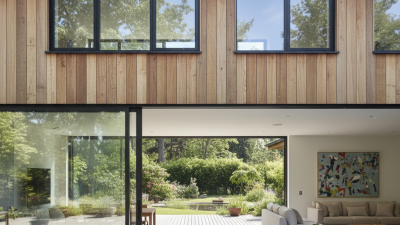
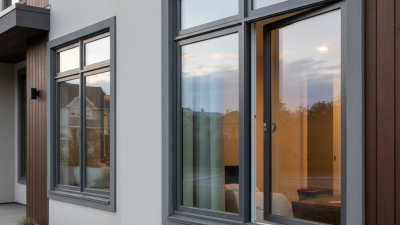
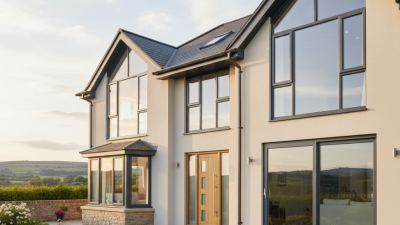
Top Tips for Choosing the Best Doors and Windows for Your Home?
Choosing the right doors and windows for your home is more than a simple decision. It impacts security, energy efficiency, and aesthetics. According to the 2022 Home Improvement Industry Report, homeowners often underestimate the role of quality doors and windows. This oversight can lead to higher energy bills and decreased property value.
Expert in the doors windows industry, Mark Thompson, emphasizes, "Investing in quality doors and windows is investing in your home’s future." This advice highlights the need for thoughtful selection. Many homeowners rush this process, neglecting long-term benefits.
Understanding material options and designs is essential. Vinyl, fiberglass, and wood each have unique pros and cons. For example, fiberglass may offer better insulation but might come at a higher cost. Balancing costs with quality is crucial for lasting satisfaction. Reflection is key: ask yourself, "Will this choice serve my home well for years to come?
Choosing the Right Materials for Doors and Windows
When selecting the right materials for doors and windows, consider durability and energy efficiency. According to the U.S. Department of Energy, energy-efficient windows can reduce energy bills by 7% to 15%. Choosing materials like vinyl or fiberglass can improve insulation. These materials offer resistance to moisture, which helps prevent mold growth. It’s essential to weigh these benefits against costs.
Wooden windows provide aesthetic charm. However, they require regular maintenance. A survey by the Window and Door Manufacturers Association revealed that 40% of homeowners choose vinyl due to its low upkeep. While wood can be beautiful, it may not be the most practical choice for every home. Importantly, each material's pros and cons should align with your specific needs.
Recycling potential is another factor. According to the EPA, about 75% of all building materials can be recycled. This statistic underscores the importance of considering environmentally friendly options. Balancing style and sustainability can be a challenge, but it leads to a more responsible choice. Remember, each decision can significantly impact your home’s long-term value and efficiency.
Assessing Energy Efficiency Ratings for Home Comfort
When selecting doors and windows, energy efficiency is crucial. According to the U.S. Department of Energy, windows account for up to 30% of a home's heating and cooling energy use. Choosing the right products can significantly impact your energy bills. Look for windows with low U-factor ratings. A U-factor below 0.30 is ideal for most climates.
Energy Star labels provide reliable guidance. These ratings help you understand which products meet stringent efficiency standards. For example, Energy Star windows can save homeowners an average of $100 to $500 annually on energy costs. However, it's essential to consider the local climate. A window that performs well in a colder region might not be suitable for warmer areas.
Remember, not every window is perfect for every home. Reflecting on specific needs is vital. For instance, the type of glazing and frame materials can affect overall performance. Additionally, miscalculations in installation can lead to energy loss. Pay attention to these aspects when making your decision.
Understanding Styles and Designs to Match Your Home Aesthetic
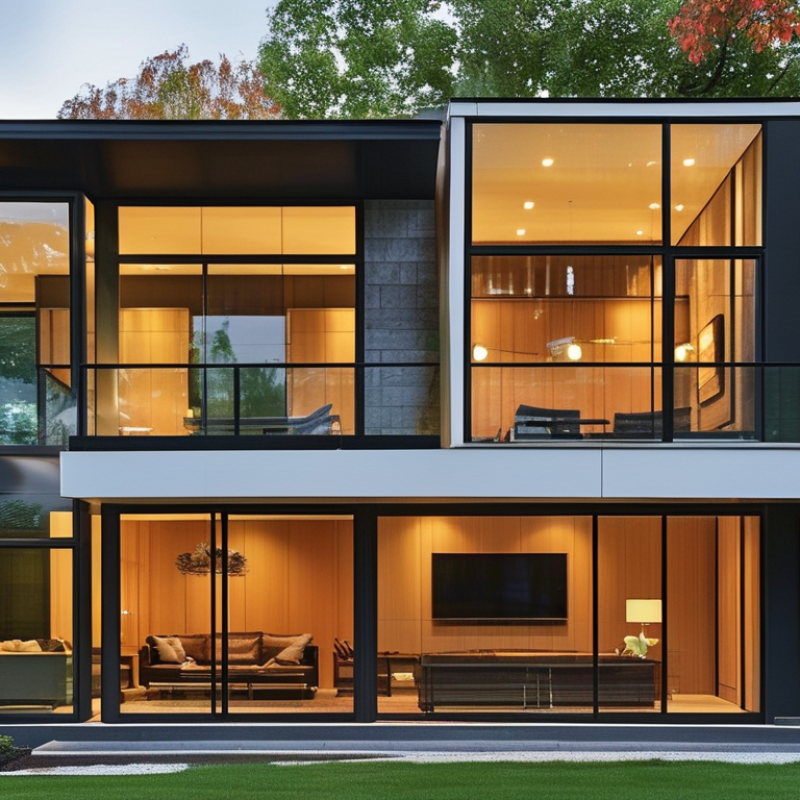
When selecting doors and windows, consider your home's overall aesthetic. Different styles can significantly impact your space's look and feel. Traditional homes often benefit from wooden frames with classic designs. This brings warmth and elegance. On the other hand, contemporary homes might require sleek lines and minimalist styles. Consider using large glass panels for a modern touch. These can also enhance natural light.
Material choices are equally important. Vinyl, wood, and fiberglass each offer unique advantages. For instance, wood gives a timeless appeal, while vinyl is low-maintenance. However, wood may require more upkeep. It can warp or need repainting over time. A well-thought-out choice here can determine the longevity and integrity of your doors and windows.
Pay attention to color as well. A vibrant door can make a bold statement. But it must harmonize with your exterior. Subtle shades can blend more seamlessly. Reflect on what best suits your taste and lifestyle. These decisions should resonate personally and contribute to your overall satisfaction with your home.
Evaluating Security Features for Safe and Reliable Installations
When looking for doors and windows, security should be a top priority. Evaluate the materials used. Steel and fiberglass provide better protection than wood. Check for features like multi-point locking systems. They offer enhanced safety by securing the door or window at multiple points.
Consider the glass quality. Laminated or tempered glass resists shattering. This extra layer of security can deter potential intruders. Don't overlook installation quality. Poorly installed windows and doors create vulnerabilities. Hire professionals with good reviews and certifications for the job.
Think about location-specific factors. Neighborhood crime rates can influence your choices. Some areas might demand stronger security features than others. Reflect on personal experiences with break-ins or near misses. These insights can guide your decision. Ultimately, balancing aesthetics with security is key; remember, safety is non-negotiable.
Top Tips for Choosing the Best Doors and Windows for Your Home - Evaluating Security Features for Safe and Reliable Installations
| Feature |
Description |
Importance Rating (1-5) |
Cost Estimate |
| Material Quality |
High-quality materials offer better durability and resistance to wear and tear. |
5 |
$500 - $1500 |
| Locking Mechanisms |
Multi-point locking systems enhance security by providing multiple locking points. |
5 |
$200 - $800 |
| Energy Efficiency |
Windows and doors with high energy efficiency reduce heating and cooling costs. |
4 |
$400 - $1200 |
| Fire Resistance |
Fire-rated doors and windows can slow the spread of fire, providing safety. |
4 |
$300 - $900 |
| Impact Resistance |
Strong doors and windows can withstand impacts from severe weather or intruders. |
5 |
$600 - $2000 |
Budgeting for Quality: Costs vs. Value in Door and Window Choices
When selecting doors and windows for your home, budget is a key consideration. Understand that investing in quality often means higher upfront costs. However, the long-term value can outweigh these initial expenses.
High-quality materials can lead to better energy efficiency, reducing your utility bills over the years. This is an essential factor to weigh against your budget.
It's also critical to factor in installation costs. Professional installation may seem like an extra expense, but it ensures longevity and performance. Poorly installed windows and doors can lead to leaks or drafts, compromising the benefits of your investment. Balancing quality and budget isn’t always easy. You may find yourself drawn to cheaper options that lack durability. Reflect on how these choices affect your home’s comfort and curb appeal in the long run.
While some homeowners may prioritize aesthetic over functionality, this can be a pitfall. It's important to consider how the materials hold up against weather and wear. Remember, spending a little more now might save you significant costs in repairs and replacements later. Decisions should reflect your home's overall value and your peace of mind.