What are the Best Freezer Panels for Your Cold Storage Needs?
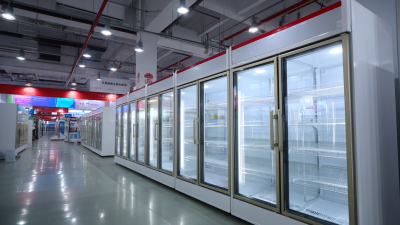
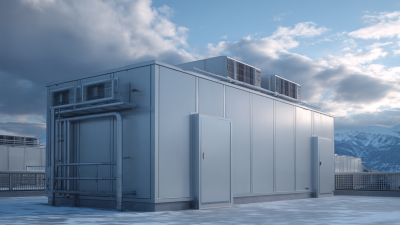
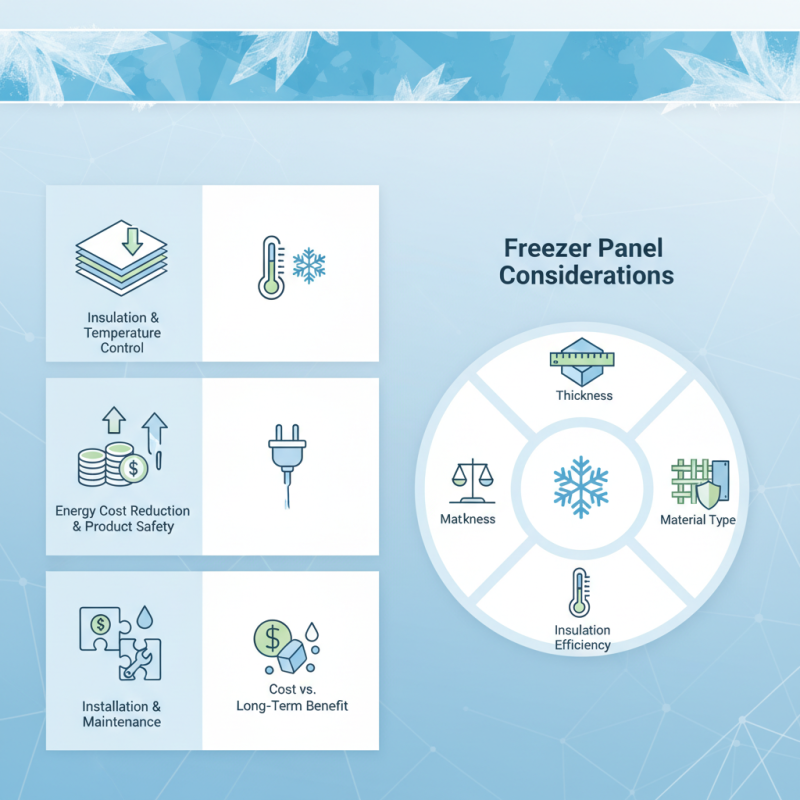
Choosing the right freezer panels is crucial for efficient cold storage solutions. These panels provide insulation, maintain temperature, and ensure product safety. Whether you are running a restaurant, a warehouse, or a small shop, selecting the best freezer panels can impact your operation significantly. The right panels can help reduce energy costs and minimize product spoilage.
When considering freezer panels, various factors come into play. Thickness, material type, and insulation efficiency are vital details. Some panels perform better but may have a higher price tag. It's important to weigh the initial investment against long-term benefits. Sometimes, cheaper options compromise on reliability and performance.
You might also encounter challenges in installation and maintenance. Not all panels are easy to handle or fit seamlessly. Poorly installed panels can lead to air leakage, affecting temperature control. Find a balance between quality and budget. Remember that freezer panels are an investment in your business's future. Making an informed choice can save you from costly mistakes down the line.
Understanding Different Types of Freezer Panels for Cold Storage
When considering cold storage, understanding different types of freezer panels is crucial. These panels come in various materials and insulation levels, affecting energy efficiency and temperature retention.
Polyurethane panels are popular for their high insulation value. They create an optimal environment for storing perishables. However, they can be costly.
Another option is expanded polystyrene (EPS) panels. These are more affordable but offer lower insulation performance. Users may find their energy bills increase with this choice. It is essential to balance cost and efficiency when selecting panels.
In some projects, people overlook the installation process. Even the best panels can fail if not installed correctly. This often leads to costly repairs down the line. Assessing the specific needs of your cold storage is vital. Understanding the trade-offs between different panel types can guide better decision-making.
Key Features to Consider When Choosing Freezer Panels
Choosing the right freezer panels is crucial for efficient cold storage. When evaluating options, consider insulation properties. Panels with higher R-values provide better thermal resistance. This helps maintain a consistent temperature, reducing energy costs.
Next, examine the durability of materials. Strong panels resist damage from impacts and temperature changes. Look for features like corrosion resistance. This aspect is vital for long-term use, especially in busy environments. Some panels may look sturdy but may not withstand harsh conditions.
Finally, think about panel thickness. Thicker panels often provide better insulation but can add weight. Balancing between insulation and manageability is essential. Are the panels easy to install? Can they fit into your existing structure? If you overlook these factors, you might find yourself dealing with unexpected issues. Remember, investing time in research now can save significant costs later.
Best Freezer Panels Features Comparison
Comparative Analysis of Insulation Performance in Freezer Panels
In the cold storage industry, the choice of freezer panels significantly impacts insulation performance. Effective insulation maximizes energy efficiency and minimizes product spoilage. A report from the International Institute of Refrigeration highlights that panels with higher R-values provide better thermal resistance, reducing energy costs by up to 25%. This data underscores the importance of selecting the right materials.
Considerations include the panel's core materials. Polyurethane and polystyrene are prevalent due to their superior insulation properties. However, polyurethane often outperforms polystyrene in compressive strength and moisture resistance. Interestingly, some studies indicate that panels with thick insulation might not always be the best choice. This is particularly true in environments with frequent temperature fluctuations.
Tip: Always assess your specific cold storage needs before purchasing. An in-depth analysis of your thermal requirements can guide you.
Additionally, ensure the installation process is handled by experienced professionals. Misalignment can lead to energy losses and reduced efficiency.
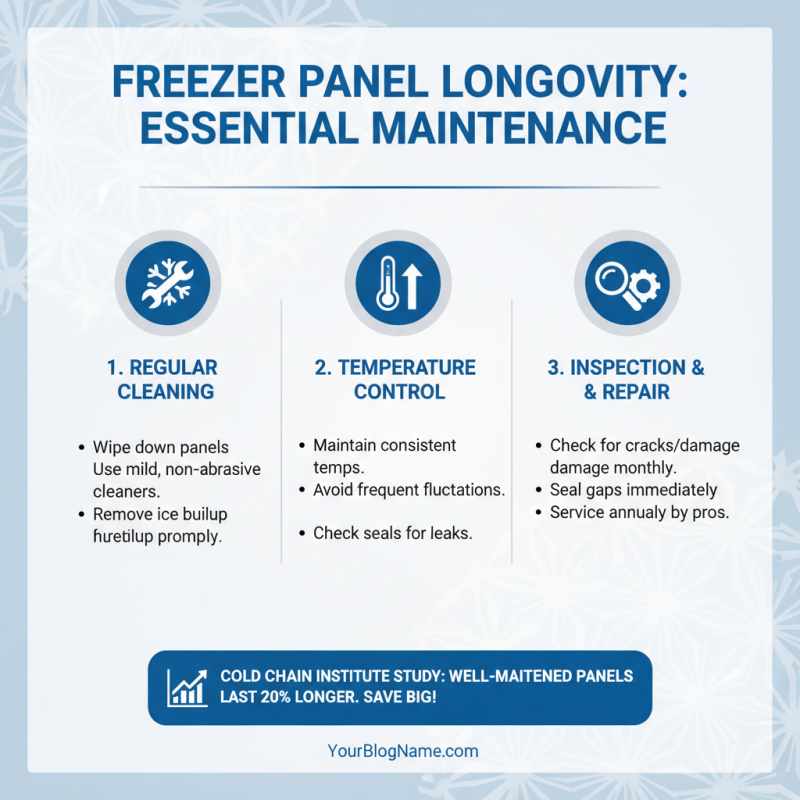
Tip: Regular maintenance is essential. Inspect seals and insulation integrity periodically to maintain optimal performance.
Cost-Effectiveness: Evaluating the Best Freezer Panel Options
When choosing freezer panels for cold storage, cost-effectiveness is key. Various options exist, but each has distinct characteristics affecting overall expenses. According to a recent industry report, insulated panels typically average between $10 to $50 per square foot. This cost fluctuates based on factors such as material type and insulation value. A higher R-value often results in better thermal performance, but does it justify the upfront investment?
A study from the Cold Chain Association highlights that up to 40% of energy costs in cold storage can be attributed to suboptimal insulation. This raises questions about selecting the right materials. Utilizing a panel with insufficient insulation significantly raises operating costs. Many facilities overlook the long-term savings gained through energy-efficient panels. Choosing the best freezer panels shouldn't be solely about the initial price tag.
Understanding the lifespan and maintenance of freezer panels is also crucial. Panels with a longer lifespan might incur more upfront costs but will reduce replacement frequency. In some cases, cheaper panels lead to higher maintenance and replacement costs over time. Decisions should weigh short-term savings against long-term operational efficiency. Each facility's specific needs shape what may be the best option for them, emphasizing the importance of tailored evaluation.
What are the Best Freezer Panels for Your Cold Storage Needs? - Cost-Effectiveness: Evaluating the Best Freezer Panel Options
| Panel Type |
Insulation Value (R-Value) |
Thickness (inches) |
Cost per Panel |
Lifespan (Years) |
| Polyurethane |
R-28 |
4 |
$120 |
20 |
| Polystyrene |
R-20 |
2.5 |
$80 |
15 |
| Fiberglass |
R-13 |
3 |
$100 |
10 |
| Mineral Wool |
R-15 |
3.5 |
$90 |
15 |
| Extruded Polystyrene |
R-25 |
4 |
$110 |
15 |