What is the Best Type of Doors and Windows for Your Home?

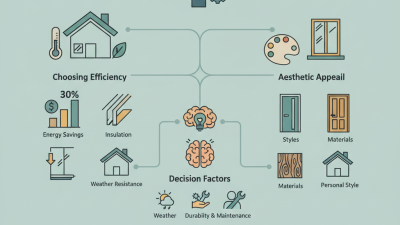
Choosing the right doors and windows for your home can be a daunting task. With various styles, materials, and functionalities available, it is essential to make informed decisions. Doors and windows play a crucial role in a home’s aesthetic appeal and energy efficiency. Understanding the options can help you strike a balance between form and function.

When selecting doors and windows, consider the climate in your area. Different materials offer various insulation levels, which can impact your energy bills. For example, wood is beautiful but requires maintenance. Vinyl can be low-maintenance yet lacks the charm of wood. Each option has its pros and cons, making it necessary to evaluate them carefully.

Aesthetics matter as well. You want doors and windows that complement your home's design. However, it’s easy to overlook functionality for style. Reflect on your needs; consider factors like security and durability. The right doors and windows enhance your home’s value and comfort, but finding the perfect fit is not always simple. Invest time in research, and you may discover unexpected alternatives that suit your needs better.
What is the Best Type of Doors and Windows for Your Home?

Types of Doors and Windows: A Comprehensive Overview for Homeowners

Choosing the right doors and windows for your home is vital. Many homeowners overlook their importance. These features affect style, security, and energy efficiency. According to the U.S. Department of Energy, windows account for about 25% to 30% of residential heating and cooling energy use. Selecting energy-efficient windows can lead to significant savings.

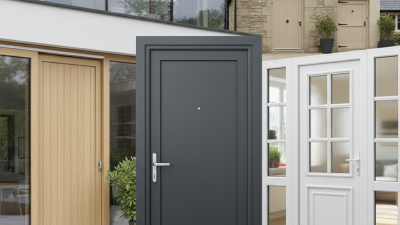
When considering door options, a solid front door can enhance security. Studies indicate that homes with solid doors are 40% less likely to experience break-ins. Additionally, the design and material matter. For instance, fiberglass doors offer durability and energy efficiency while mimicking the look of wood. This combination can appeal to many homeowners.

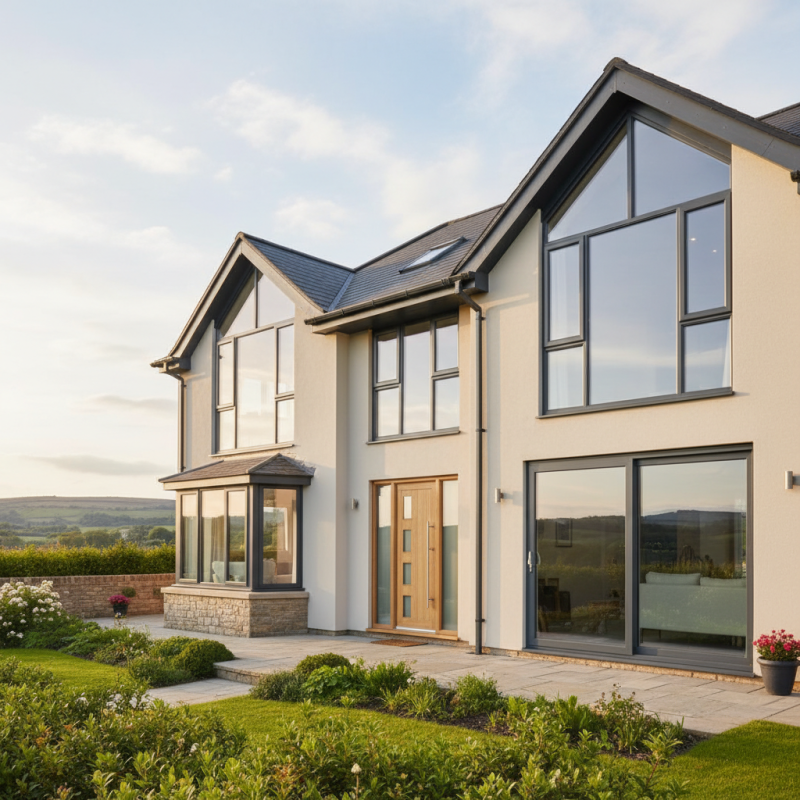
The variety of styles, including traditional and contemporary, should match your home’s aesthetic. However, not every style suits every environment. For example, large glass windows in colder climates can lead to higher heating bills. Balancing aesthetics and practicality requires careful thought. Each choice reflects personal taste, but it’s crucial to consider long-term impacts.

What is the Best Type of Doors and Windows for Your Home? - Types of Doors and Windows: A Comprehensive Overview for Homeowners

Type Material Energy Efficiency Durability Cost Range
Solid Wood Door Wood High High $800 - $2,500
Fiberglass Door Fiberglass Very High Very High $1,200 - $3,000
Aluminum Door Aluminum Moderate High $700 - $1,500
Vinyl Window Vinyl High High $300 - $800
Wood Window Wood Moderate Moderate $600 - $1,200
Composite Window Composite Materials High Very High $400 - $1,000

Energy Efficiency Ratings: Understanding U-Factors and Solar Heat Gain

When choosing doors and windows, energy efficiency is crucial. Understanding U-factors and solar heat gain can guide your decisions. The U-factor measures thermal insulation. A lower U-factor indicates better insulation. It helps maintain indoor temperatures, thus reducing energy costs. Look for products that have a U-factor that meets your local climate needs.


Solar heat gain measures how much heat from sunlight passes through windows. A higher rating means more solar energy enters the home. This can be beneficial in colder climates, providing natural heating. In warmer areas, though, excess solar gain can lead to overheating. Ideal choices balance these factors based on your home’s orientation and climate.


Reflect on your needs. Windows facing the sun might require coatings or shades. Doors can also affect energy efficiency, especially if they are not well insulated. Even small details, like sealing and framing materials, play a vital role. Evaluate your choices carefully to ensure they align with your energy efficiency goals.

Material Choices: Comparing Wood, Vinyl, and Fiberglass Durability

When choosing doors and windows, material matters greatly. Wood, vinyl, and fiberglass each have distinct characteristics. Wood has a classic appeal but requires maintenance. It can warp and rot if not properly cared for. However, it offers great insulation and can be customized easily.

Vinyl is a popular choice due to its low maintenance and durability. It is resistant to moisture and doesn't need repainting. But, it can fade over time and may not have the same aesthetic charm as wood. Fiberglass stands out for its strength and energy efficiency. It mimics the look of wood while offering better weather resistance. Still, it can be more expensive upfront.

Each material presents advantages and challenges. Homeowners often overlook the importance of insulation properties. This choice can affect energy bills over time. Consider your local climate and personal style when deciding. It’s essential to weigh these factors carefully.

Styles and Designs: Balancing Aesthetics with Functionality

What is the Best Type of Doors and Windows for Your Home?

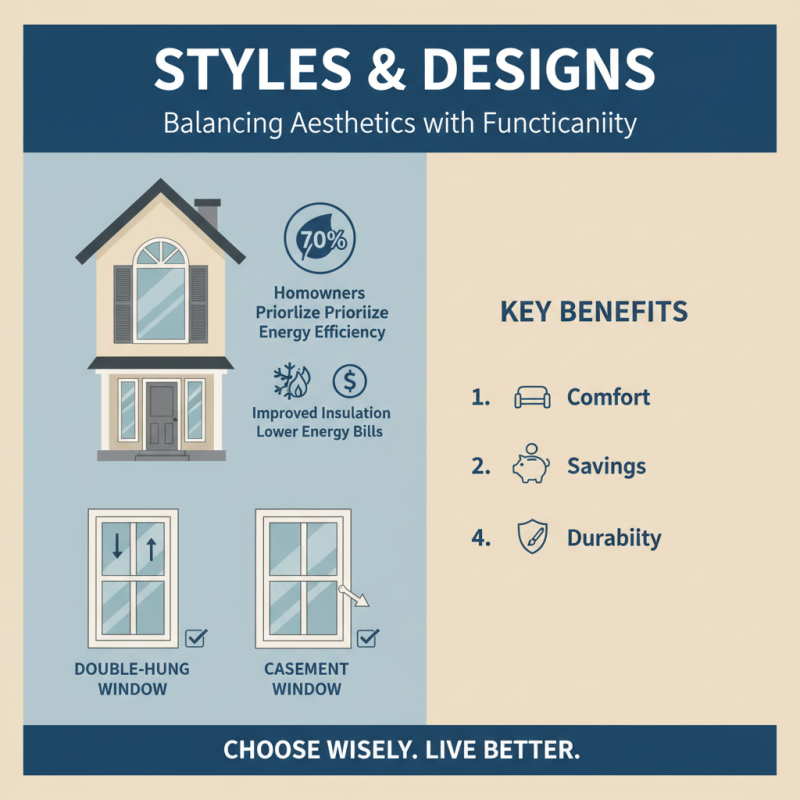
Choosing the right doors and windows for your home involves a fine balance between aesthetics and functionality. Recent studies reveal that nearly 70% of homeowners prioritize energy efficiency when selecting window styles. Popular options like double-hung and casement windows not only enhance beauty but also improve insulation. This makes your home more comfortable while potentially lowering energy bills.

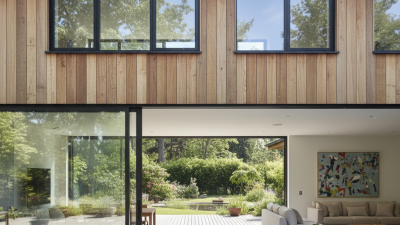
Tips: Consider materials that match your home’s style. Vinyl windows are durable and low-maintenance. Wood offers a classic look but requires upkeep. Aim for styles that complement your architectural design while serving a practical purpose. For example, sliding patio doors can bring in natural light and create an illusion of more space.

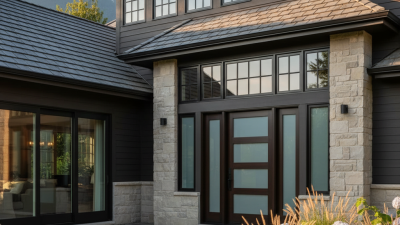
Regarding door styles, entry doors should provide security without sacrificing design. According to industry reports, steel doors offer both superior protection and energy efficiency. However, they may lack the warmth of wooden doors. Reflect on your personal preferences versus practical needs when making this choice. A well-designed door can enhance curb appeal without compromising on safety.

Cost Considerations: Investment vs. Long-term Savings Analysis

When selecting doors and windows, cost is a crucial factor. Investment today can lead to significant long-term savings. High-quality materials, like fiberglass or steel, may have a higher upfront cost but require less maintenance. Durable windows prevent heat loss, reducing energy bills over time.

Consider the energy efficiency of your choices. Look for double or triple-pane windows. These provide better insulation. Additionally, energy-efficient doors contribute to reduced heating and cooling costs. While cheaper options seem attractive, they often lead to increased expenses down the line.

Tips: Always get estimates from multiple contractors. Research potential return on investment. Factor in your local climate. Choices need to align with home style and needs. Remember, spending more now can yield savings later. It's a delicate balance between initial costs and long-term benefits. Don't rush your decision; an informed choice leads to better outcomes.