2026 How to Choose the Best Doors and Windows for Your Home?
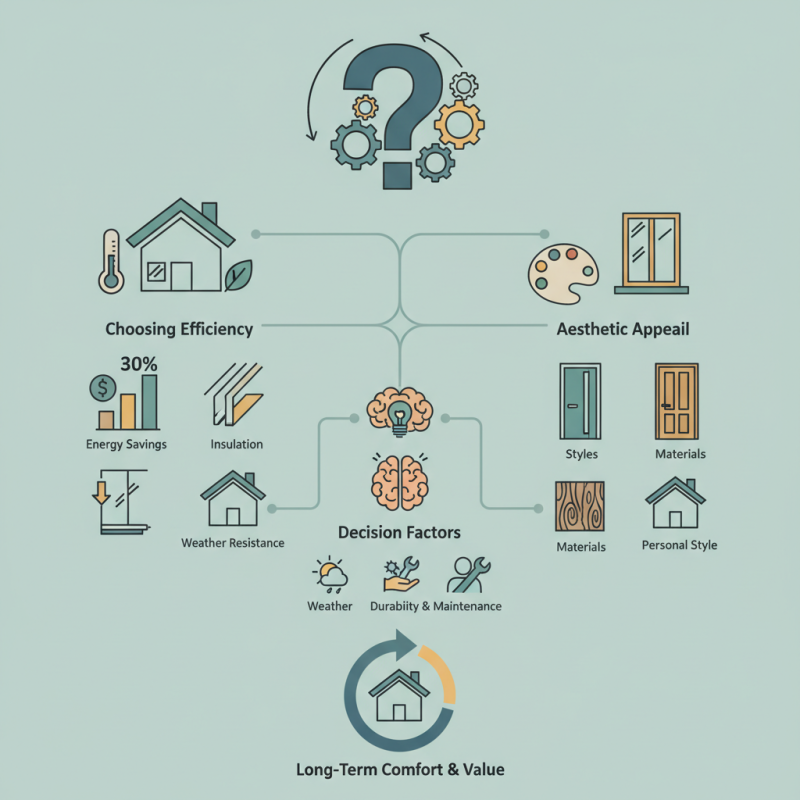
Choosing the right doors and windows is crucial for any home. They significantly impact energy efficiency and aesthetic appeal. According to the latest report by the Door and Window Manufacturers Association, replacing old doors and windows can reduce energy bills by up to 30%. This statistic highlights their role in maintaining a comfortable living environment.
Expert Mark Thompson, a leading figure in the "doors and windows" industry, emphasizes the importance of materials. He states, "Quality materials lead to improved durability and aesthetics." Selecting the right materials not only enhances comfort but also impacts long-term maintenance.
However, the decision process can be overwhelming. With numerous styles, materials, and technologies available, homeowners might feel uncertain. There is no one-size-fits-all solution. It's essential to balance personal style with practicality. Consider how your choices will stand up against weather elements and daily wear. This reflection is vital for making the best decision for your home.
Understanding Different Types of Doors and Windows Available
When selecting doors and windows, it’s crucial to understand the different types available. Each option offers unique advantages. For instance, wooden doors provide warmth and a classic aesthetic. They require regular maintenance to prevent warping and decay. In contrast, fiberglass doors are durable and resistant to weather changes. They mimic wood beautifully but come with a higher initial cost.
Windows also come in various materials. Vinyl windows are popular due to their energy efficiency and low maintenance needs. They insulate well but can fade over time. Aluminum windows offer a sleek modern look, though they may conduct heat, impacting energy bills. When choosing, it’s essential to consider your environment. Harsh climates demand more durable materials.
Think about safety features too. Some doors have multi-point locking systems while others may not. Check for energy efficiency ratings, especially in areas with extreme temperatures. Choosing the right doors and windows is an investment, and it’s important to ponder over the options. Each choice impacts your home's aesthetics, safety, and energy consumption.
Evaluating Energy Efficiency in Doors and Windows
When evaluating energy efficiency in doors and windows, several factors come into play. Look for products with a high Energy Star rating. This indicates they meet strict energy efficiency guidelines. Insulation is crucial; double or triple-glazed windows provide better thermal resistance. They help keep your home warm in winter and cool in summer.
Consider the materials used in construction. Fiberglass and vinyl often outperform wood in energy efficiency. They resist warping and provide a better seal. Reflective coatings on windows can also reduce heat gain. This can significantly lower air conditioning costs.
However, it isn’t just about high ratings or expensive options. Sometimes, cheaper alternatives can offer decent performance. Inspect the installation process; even the best windows won’t work well if poorly installed. Regular maintenance is also important. Seals can wear down over time, leading to energy loss. It’s key to balance cost and energy efficiency in your choices.
Assessing Aesthetic Appeal and Architectural Style Compatibility
Choosing the right doors and windows impacts your home’s overall aesthetic. The design must complement your home’s architectural style. Whether it’s modern, traditional, or eclectic, the right choice enhances visual appeal.
Consider color, texture, and materials. Wooden frames may suit a rustic home, while sleek metal might appeal to a contemporary design. Each element contributes to the overall harmony. It’s essential to create a cohesive look. Sometimes, mismatched styles lead to a disjointed appearance.
Take time to assess local architecture. Look around your neighborhood for inspiration. Notice the common features. However, avoid copying blindly. Your home should reflect your individuality. Embrace your style, even if it means diverging from norms. Remember that beauty is subjective, and what appeals to one may not appeal to another.
Considering Security Features and Durability of Materials
When selecting doors and windows, security features and material durability are paramount. The National Institute of Standards and Technology highlights that homes without secure doors are 80% more likely to be targeted by burglars. Investing in doors made from fiberglass or steel can significantly increase resistance to break-ins. These materials not only offer improved security but also enhance energy efficiency, reducing heating costs by 10-25% over time.
Durability is another critical factor. According to the American Architectural Manufacturers Association, windows should withstand harsh weather conditions for at least 20 years. Vinyl windows are known for their longevity and low maintenance. However, it’s essential to consider local climate impacts. For instance, coastal areas may require different materials than regions prone to heavy snowfall.
Homeowners often overlook small details that matter. The choice of locking mechanisms merits attention; a single-cylinder deadbolt can offer basic security, but multi-point locking systems provide extra peace of mind. Feedback from homeowners indicates that the right choice of windows and doors has both functional and aesthetic impacts. Investing in high-quality materials pays off in the long run, not just in security but in overall home value.