How to Choose the Best Pipe Products for Your Business?
Choosing the right pipe products is crucial for any business in various industries. Quality can impact performance, safety, and longevity. Different applications require different types of pipes. Understanding your specific needs is essential.
Consider the materials used in pipe products. Options range from plastic to metal. Each material has its unique advantages and drawbacks. For example, plastic pipes are lightweight but may not offer the durability of metal.
Additionally, think about the supplier you choose. Not all suppliers provide the same level of quality. Researching their reputation can save you from future issues. Ask for references and check reviews. Investing time in this process will enhance your business's overall efficiency.
Understanding Different Types of Pipe Products Available in the Market
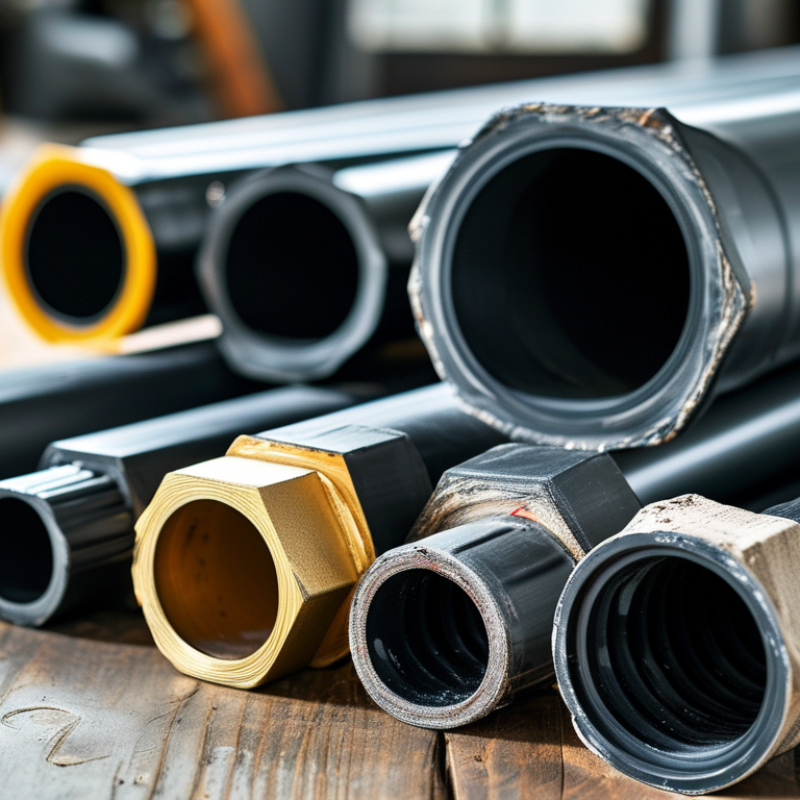
When selecting pipe products for your business, it's crucial to understand the variety available on the market. Pipes come in different materials, including PVC, copper, and steel. Each material has unique properties that suit specific applications.
PVC is lightweight and resistant to corrosion.
Copper, while more expensive, offers excellent durability.
Steel provides strength for heavy-duty tasks.
Choosing the right type can be challenging. It’s essential to consider your project's specific requirements, like temperature and pressure. Analyze the environment where the pipes will be installed. Conditions such as exposure to chemicals might limit your options.
Tip: Always evaluate the long-term costs of pipe materials. Sometimes, a higher upfront cost leads to lower maintenance expenses down the line.
Tip: Consult with pipe experts for recommendations tailored to your needs. They can provide insights into emerging products that may better suit your applications.
In the end, the decision should align with your business's goals and operational needs. Making a hasty choice can lead to issues later on. Take your time to reflect on your options and seek advice.
Evaluating Material Quality and Durability for Pipe Products
When selecting pipe products for business use, material quality and durability are crucial factors. According to reports from industry associations, about 30% of pipe failures are due to poor material choices. This highlights the need for businesses to invest in high-quality materials. For example, metals like stainless steel and high-density polyethylene (HDPE) often outperform cheaper alternatives in strength and corrosion resistance.
Evaluating durability entails assessing environmental conditions too. Pipes exposed to extreme temperatures or corrosive substances require specialized materials to ensure longevity. Research indicates that pipes made from advanced composite materials can last over 50 years, significantly reducing replacement costs and downtime. A notable study also revealed that improperly chosen materials can lead to hazardous leaks, which pose risks to both safety and the environment.
Businesses should remain cautious. Not all marketed "high-performance" materials deliver based on claims. Industry feedback emphasizes the importance of thorough testing and certifications. Ensuring suppliers provide transparent data about their products' performance can prevent costly mistakes down the line. Choosing the right materials involves not just initial cost considerations, but also potential long-term repercussions for safety and operational efficiency.
Assessing Pipe Product Specifications and Standards for Your Needs
When choosing pipe products, understanding specifications is crucial. Industry reports indicate that nearly 30% of pipe failures are due to poor material selection. Thus, knowing the specific standards applicable to your project is key.
Standards like ASTM and ISO provide guidelines for material properties. For instance, ASTM A53 outlines specifications for steel pipes, ensuring they meet structural demands. Make sure to check the pressure ratings, corrosion resistance, and temperature ratings. Research indicates that 45% of businesses overlook these factors, leading to costly replacements and downtime.
You should also consider environmental factors. Pipes exposed to extreme conditions require specialized materials. According to a recent survey, over 20% of companies report issues with environmental suitability. Too often, businesses fail to assess the unique needs of their project. Failing to align product specifications with operational demands can result in significant operational risks. Consider your specific application thoroughly before making a selection.
Analyzing Cost-Effectiveness and Budget Considerations for Pipe Purchases
Choosing the right pipe products for your business can often feel overwhelming. Cost-effectiveness is a pivotal factor in this decision. Analyze your budget carefully. Examine not just the initial prices, but also the long-term costs associated with maintenance and installation. Sometimes, a cheaper option may incur higher costs later on.
To understand budget considerations, it’s essential to forecast growth for your business. Anticipate future needs based on current projects. This foresight can prevent hasty purchases that could lead to wastage. Additionally, assess the potential for price fluctuations in raw materials. Market volatility can impact your budget significantly.
Consider working with experts who can provide insights tailored to your specific requirements. This may feel unnecessary but consulting professionals can reveal hidden costs. Evaluate the advantages and disadvantages of different materials and suppliers. Don't rush through your decisions; taking time can allow for a more informed and effective purchase strategy.
Cost-Effectiveness Analysis of Pipe Products
Identifying Reliable Suppliers and Best Practices for Procurement
Choosing the right pipe products for your business requires careful consideration of
suppliers and procurement strategies. Reliable suppliers can significantly impact the quality of your pipes and overall project success.
Look for suppliers who are well-reviewed in the industry, with a proven track record.
According to a recent industry report, 75% of companies prioritizing supplier reliability reported fewer delays in production.
When evaluating suppliers, consider their
certifications and compliance with industry standards. A supplier holding ISO certifications demonstrates a commitment to quality.
This can be a point of confidence for your business.
Engaging with suppliers at industry trade shows can also provide insights into their offerings and innovation.
Personal interactions often reveal reliability levels that data can’t capture.
Tip: Always request samples before placing bulk orders.
Test products in real-world applications to ensure they meet your standards.
Document any discrepancies you encounter during testing.
This reflection can be key to refining your procurement processes.
Developing a strong evaluation process and maintaining open communication with suppliers can establish a solid foundation for future transactions.