Top 10 PVC Panels for Your Next Project What to Consider?
When planning your next project, selecting the right materials is crucial. PVC panels are becoming increasingly popular in modern construction. According to industry expert John Smith, “The right PVC panels can transform a space while being durable and cost-effective.” His expertise highlights the importance of thoughtful selections.
Whether for homes, offices, or commercial spaces, the right PVC panels enhance aesthetics and functionality. They offer a range of styles, colors, and finishes. However, choosing requires careful consideration. You should evaluate your project’s specific needs and limitations. Not all panels are created equal. Some may not offer the durability you expect.
Incorporating PVC panels involves both creativity and practicality. Researching different options can be overwhelming. It’s essential to identify what works best for your project. Reflect on your priorities, whether they be cost, appearance, or longevity. PVC panels present various opportunities but also some challenges. Being informed is vital in making the right choice for your space.
Top 10 PVC Panels: Overview of Key Features and Benefits
PVC panels are becoming increasingly popular for various projects. They offer a range of features that cater to different needs. One of their key benefits is durability. These panels resist moisture and are less likely to warp over time compared to wood. This makes them ideal for bathrooms and kitchens where humidity levels are high.
Another important feature is versatility. PVC panels come in a wide variety of styles, colors, and textures. This flexibility allows homeowners to match their decor effortlessly. Installation can be straightforward, yet, some may find it tricky. Proper planning is essential to avoid common pitfalls, like inadequate measurements or improper adhesive use.
In terms of maintenance, these panels are easy to clean but can scratch easily. Regular care is necessary to keep them looking pristine. While many appreciate their aesthetic appeal, others feel the material lacks the warmth of traditional options. It's important to weigh these pros and cons carefully before making a final choice.
Comparing Durability: PVC Panels vs. Traditional Wall Materials
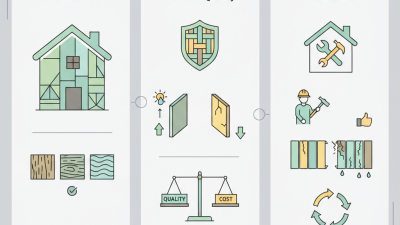
When comparing durability, it’s essential to understand the strengths of PVC panels versus traditional wall materials. PVC panels offer impressive resistance to moisture, making them ideal for high-humidity areas. They do not warp or swell, unlike wood or drywall. This durability means fewer repairs and replacements over time, although some may argue they lack the aesthetic appeal of natural materials.
In addition, PVC panels are lightweight and easy to install. This can speed up projects, saving both time and labor costs. However, some users report scratching and denting more than they would with conventional materials. While their lifespan is significant, environmental impacts of PVC production are often overlooked. Many might assume durability equates to sustainability, but this is a crucial point to ponder.
Traditional materials, like plaster or brick, typically present their own strengths, like insulation and soundproofing. They tend to have a longer life span but come with higher maintenance needs. Users must balance these factors when deciding on their project materials. The final choice will depend on project goals and personal preferences.
Aesthetic Options: Design Versatility of PVC Panels in Architecture
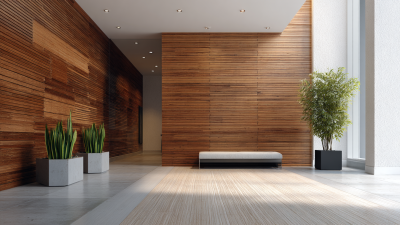
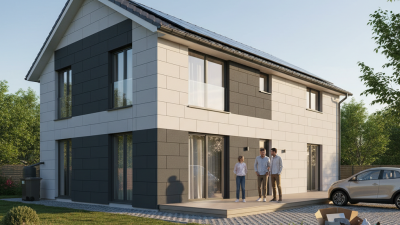
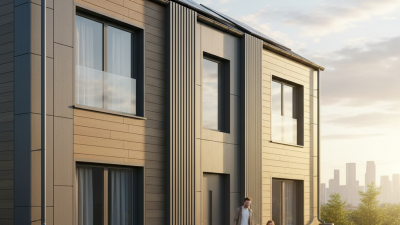
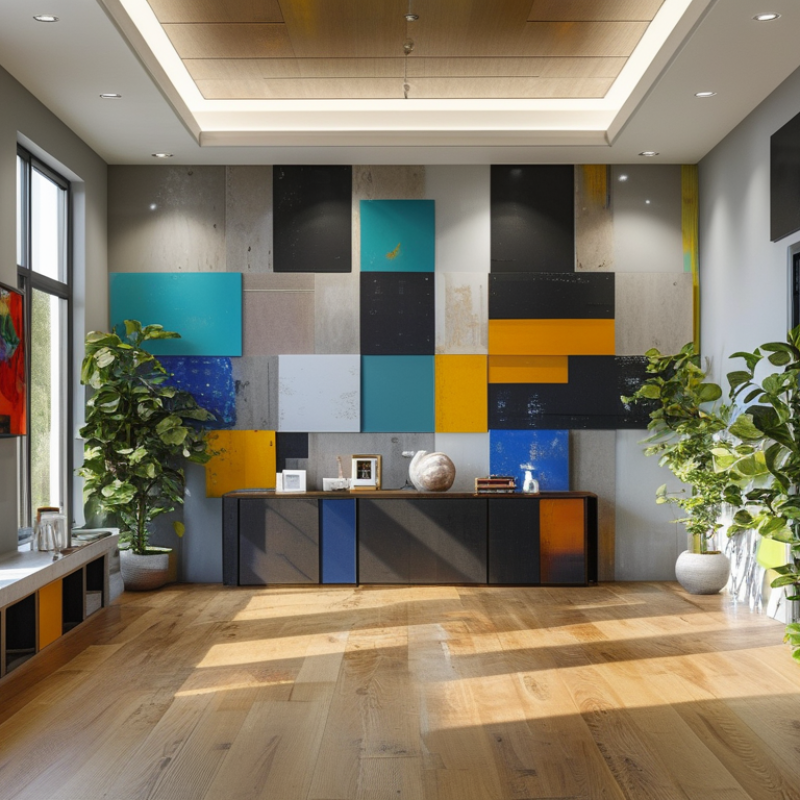
PVC panels offer remarkable design versatility in contemporary architecture. Their aesthetic options can range from sleek modern looks to rustic finishes. They can mimic natural materials like wood or stone. This adaptability makes them suitable for various settings, from commercial spaces to residential homes.
When choosing PVC panels, consider the overall theme of your project. Think about how colors and textures interact within your space. Some designs may clash with existing decor, leading to a disjointed appearance. It's essential to visualize how the panels will fit in. The lighting in a room can also change panel aesthetics dramatically. Bright light may amplify their sheen, altering the perception of color.
Finding the right balance between style and functionality can be challenging. While PVC panels are durable, their beauty should not sacrifice practical concerns. Evaluate the wear and tear your project might face over time. Consider how different finishes hold up under various conditions. Reflecting on these elements will lead to more thoughtful design choices.
Top 10 PVC Panels for Your Next Project
As architecture continues to evolve, the versatility of PVC panels has become increasingly evident. The following chart illustrates the design versatility of different styles of PVC panels based on aesthetic factors such as color options, texture varieties, and patterns available for use in architecture.
Cost Analysis: Budgeting for PVC Panels in Your Construction Project
When planning your construction project, budgeting for PVC panels is crucial. These panels can be a cost-effective solution, but the price varies widely. Consider the thickness, style, and finish of the panels you choose. Some materials may look fancy but can stretch your budget unexpectedly. Use a detailed plan to avoid surprises later.
Tips: Always compare prices from different suppliers. Sometimes, bulk purchases offer savings. Also, keep in mind the long-term benefits of quality over lower prices. Cheaper options might require replacements sooner than expected.
Installation costs should not be overlooked. Hiring experienced contractors can make a significant difference. Check their credentials and past work. A poorly installed panel can lead to further expenses down the line. Budget for potential additional costs to avoid financial strain later on.
Installation Considerations: Best Practices for PVC Panel Application
Installing PVC panels can be both rewarding and challenging. To ensure a smooth application, consider surface preparation carefully. Clean and dry surfaces help panels adhere better. A level surface is crucial. Uneven areas may lead to future issues.
When cutting PVC panels, use sharp tools for clean edges. This improves the final appearance. Safety is essential during installation. Wear protective gear, especially when using power tools. Always check local guidelines to ensure compliance.
Spacing is another vital aspect of installation. Allow for expansion and contraction caused by temperature changes. Gaps may seem insignificant but can lead to bigger problems down the line. Always secure panels properly to avoid sagging over time. These details may seem minor, but they can significantly impact durability and aesthetics.
Top 10 PVC Panels for Your Next Project
| Panel Type |
Thickness (mm) |
Size (mm) |
Finish Options |
Installation Method |
Durability Rating |
| Standard PVC |
5 |
3000 x 1000 |
Glossy, Matte |
Glue/Screws |
High |
| Textured PVC |
6 |
2500 x 1200 |
Textured, Stone Finish |
Clip System |
Medium |
| Fire-Retardant PVC |
4 |
3000 x 1000 |
Smooth, Matte |
Glue/Screws |
Very High |
| Eco-Friendly PVC |
5 |
2500 x 1000 |
Satin, Glossy |
Clip System |
High |
| Soundproof PVC |
7 |
3000 x 1200 |
Acoustic, Matte |
Glue/Screws |
High |
| Decorative PVC |
5 |
2000 x 1000 |
Patterned, Glossy |
Clip System |
Medium |
| Waterproof PVC |
5 |
3000 x 1000 |
Smooth, Matte |
Glue/Screws |
High |
| Rigid PVC |
8 |
3000 x 1200 |
Glossy, Textured |
Clip System |
Very High |
| Flexible PVC |
4 |
3000 x 1000 |
Glossy |
Glue/Screws |
Medium |
| Mirror Finish PVC |
5 |
2500 x 1200 |
Mirror, Glossy |
Clip System |
High |