How to Choose the Best Pipe Products for Your Needs?
Choosing the right pipe products can significantly impact your project’s success. Expert David Harrison, a renowned authority in the pipe industry, once stated, “Selecting the correct pipe products is essential to ensure durability and efficiency.” His insight emphasizes the importance of making informed decisions.
In today’s market, a variety of pipe products are available. Each type has distinct characteristics that cater to specific applications. Proper knowledge of materials, sizes, and functions is crucial for anyone involved in construction or plumbing. The right choice can save time and resources in the long run.
Consider factors like durability, pressure ratings, and installation requirements when evaluating options. Additionally, understanding regulations and industry standards can help streamline your selection process. Reflect on your project's unique needs. Mistakes in choosing pipe products can lead to costly repairs. Prioritize quality and reliability to achieve the best results.
Understanding Different Types of Pipe Materials: Properties and Uses
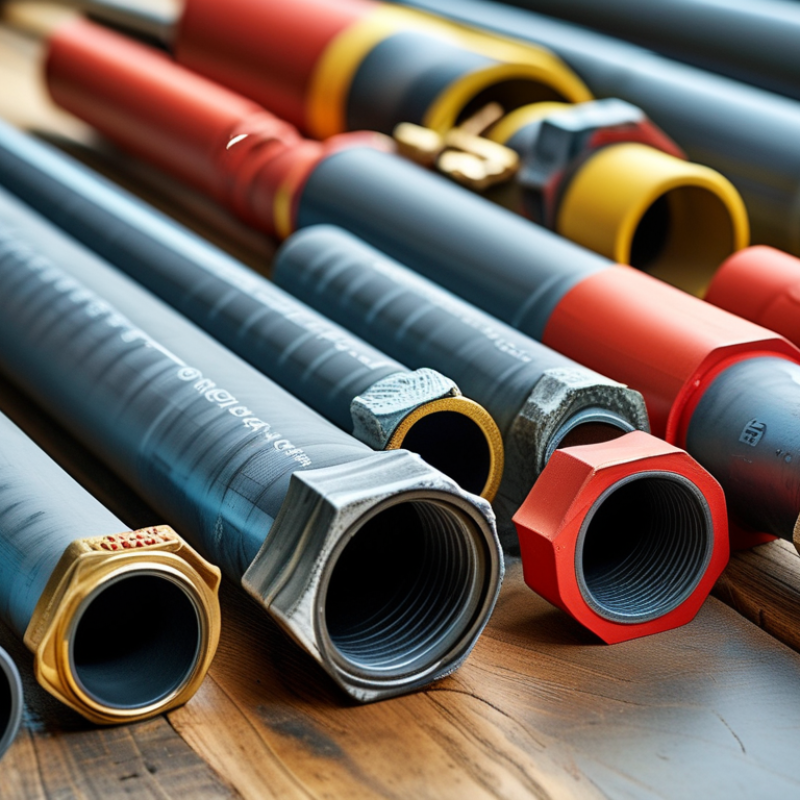
When selecting pipe products, understanding the material properties is crucial. Different pipes serve various purposes, and recognizing these distinctions can lead to safer and more efficient structures. Common materials include PVC, metal, and CPVC. Each type has unique characteristics that suit specific applications.
PVC pipes are lightweight and resistant to corrosion. They are often used for drainage and irrigation. However, they can become brittle over time, especially in cold temperatures. Metal pipes, like copper or galvanized steel, offer durability and strength. Yet, they may corrode in some environments. CPVC pipes are good for hot water applications but can be susceptible to UV damage.
Reflect on your needs and the environment where the pipes will be used. Consider the pressure ratings and temperature tolerance of each material.
Assess whether your project requires flexibility or rigidity. This could greatly impact your choice. You may want to consult with a pipe expert to ensure you select the ideal product for your application. Always prioritize materials proven to perform well in your local climate and conditions.
Evaluating Pipe Size and Diameter: Importance in Flow Capacity
When evaluating pipe size and diameter, flow capacity is crucial. A pipe's diameter significantly influences how much liquid or gas can pass through it in a given time. Smaller pipes would restrict flow, leading to potential pressure build-up. Larger pipes, while allowing for greater flow, may not always be necessary and can be more costly.
Choosing the right size means considering the purpose. Flow requirements vary by application. For instance, a home plumbing system needs different specifications than an industrial site. It's vital to assess the volume needed versus the speed of flow. A mistake in sizing can lead to inefficiencies.
Pay attention to the material and the pipe's application. Different materials can handle different pressures and temperatures. Reflect on your specific needs and constraints. Always consult with experts. They can provide insights based on experience. Adapting to evolving requirements is necessary. Try to remain flexible in your choices, as your needs might change over time.
Assessing Pressure Ratings and Temperature Limits for Pipe Selection
When selecting pipe products, it’s crucial to assess pressure ratings and temperature limits. Every piping system operates under specific conditions. High-pressure applications demand pipes with appropriate strength and resilience. Inferior choices can lead to failures. Understanding the pressure rating is essential in ensuring safety and longevity.
Temperature limits also play a vital role in pipe selection. Different materials respond uniquely to heat. For instance, metals typically endure higher temperatures than plastics. However, extreme conditions may weaken even robust materials over time. Think about the environment where the pipes will operate. Will they face constant thermal fluctuations? Reflecting on these factors helps prevent costly mistakes.
Evaluating these parameters requires expertise. It's beneficial to consult with experienced professionals. They can provide insights tailored to your specific needs. Failure to consider these elements might not yield immediate consequences, but risks accumulate unnoticed. Making informed choices today can save you from significant issues in the future.
How to Choose the Best Pipe Products for Your Needs?
| Pipe Material |
Pressure Rating (psi) |
Temperature Limit (°F) |
Ideal Applications |
| PVC |
280 |
140 |
Water supply and drainage |
| CPVC |
400 |
200 |
Hot water systems |
| Steel |
1500 |
400 |
Oil and gas pipelines |
| Copper |
1000 |
400 |
Hydronic heating systems |
| PEX |
160 |
200 |
Residential plumbing |
Material Longevity and Maintenance: Cost-Benefit Analysis over Time
Choosing the right pipe materials requires careful consideration of longevity and maintenance. Different materials offer various lifespans, affecting overall costs. For example, metal pipes can last over 50 years, but they may require more frequent maintenance. On the other hand, plastic pipes tend to be less durable but need minimal upkeep, presenting a trade-off for consumers.
When assessing a material’s longevity, consider environmental factors. Extreme temperatures or soil conditions can impact durability. This could lead to unexpected expenses. Regular inspections and maintenance can help extend the life of pipes, but not everyone has the time for it. A proactive approach often saves money in the long run, yet some homeowners may overlook this aspect.
Analyzing costs is crucial. Sometimes the cheapest option upfront may prove costly later. If a pipe fails, replacing it and addressing potential damage can add to expenses. Assessing your specific needs before making a decision can help avoid common pitfalls. Reflect on your priorities: longevity, maintenance needs, and budget constraints. Balancing these factors leads to better choices.
Material Longevity and Maintenance Cost-Benefit Analysis
This chart illustrates the average longevity of various pipe materials, providing a visual representation to aid in selecting the best pipe products based on maintenance needs and long-term cost benefits.
Compliance Standards and Regulations: Ensuring Quality and Safety in Pipes
When selecting pipe products, compliance with standards is crucial. Pipes must meet specific regulations for materials and performance. This ensures their safe use in various applications. It’s important to research applicable standards before making a purchase. These may include ASTM, ANSI, and ISO guidelines. Understanding these requirements can help you avoid costly mistakes.
Quality assurance goes hand in hand with compliance. Many manufacturers provide certifications to validate their products. However, not all manufacturers are transparent about their processes. It might be necessary to ask for documentation to confirm compliance. This can ensure that you are choosing reliable products.
Understanding how the product will be used is essential. Consider the environment and type of fluids that will flow through the pipes. Different materials may have varying resistance to chemicals and temperatures. This is an area where many overlook potential issues. Adapting to your specific needs while maintaining compliance can be a challenge. It often requires careful evaluation and sometimes expert advice. Balancing quality and compliance can lead to better long-term outcomes.