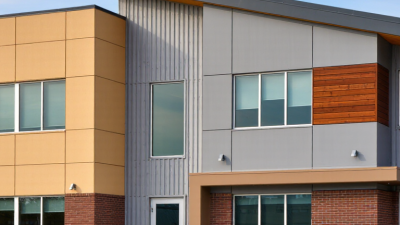
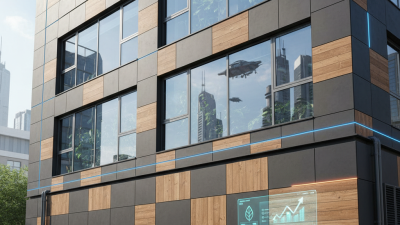
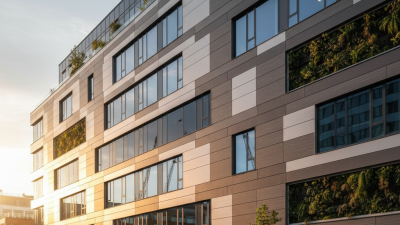
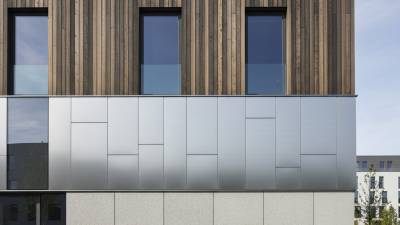
How to Choose the Best Wall Cladding for Your Project?
Choosing the best wall cladding starts with the building’s real conditions, not a showroom sample. A coastal facade faces salt, wind, and driving rain. An urban project may need fire resistance, acoustic control, and low maintenance. These pressures change the right material, thickness, fixing system, and finish.
The decision also affects energy performance. The International Energy Agency reports that buildings consume about 30% of global final energy and produce roughly 26% of energy-related emissions. The 2023 UNEP Global Status Report for Buildings and Construction adds that buildings and construction account for approximately 37% of global energy-related emissions. These figures make the building envelope impossible to ignore. A carefully detailed wall cladding system can support thermal control, moisture management, and longer service life. It cannot repair poor insulation or careless installation.
Practical selection should compare tested performance, life-cycle cost, maintenance access, and local code requirements. Review product declarations, fire-test evidence, wind-load data, warranty limits, and installation guidance. Reports from Grand View Research and Fortune Business Insights show strong growth in the global wall cladding market, but their market boundaries differ. Treat headline values carefully. They are useful signals, not project specifications. No single cladding material wins every time. That is the uncomfortable part. A lightweight panel may reduce structural demand, while masonry can offer durability and familiar detailing. The best answer emerges from climate data, contractor experience, verified testing, and honest risk review. A beautiful facade still fails if water reaches the insulation.
Define Your Project’s Functional and Design Requirements
How to Choose the Best Wall Cladding for Your Project?
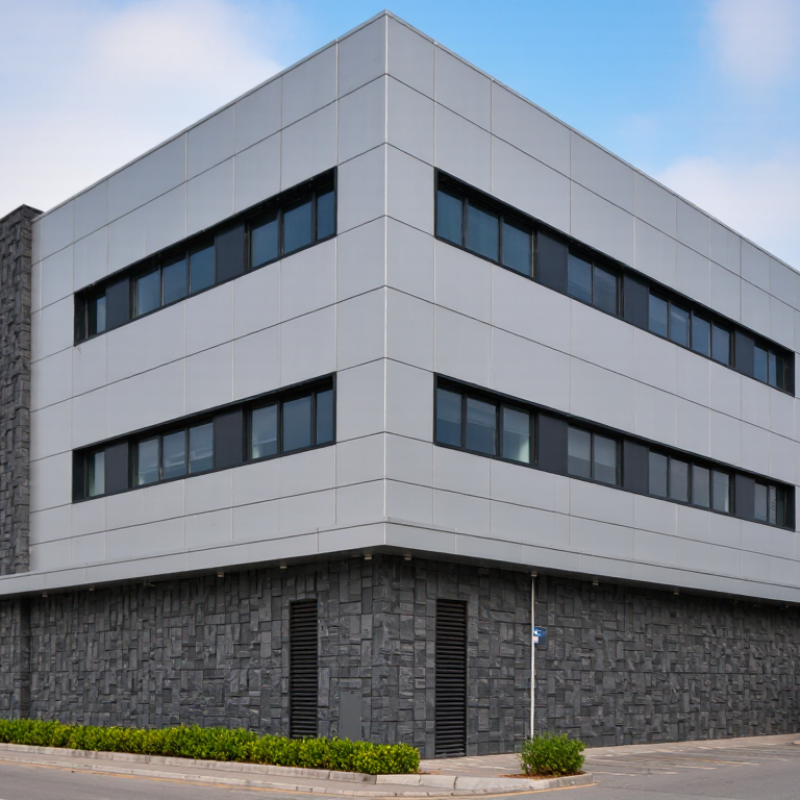
Define your project’s functional and design requirements before comparing wall cladding options. I have learned that attractive samples can hide serious performance problems. Consider moisture, impact, fire performance, maintenance, insulation, and expected service life. A coastal building may need stronger corrosion resistance, while a busy hallway needs a durable, washable surface. Note the wall’s exposure to sunlight, wind, rain, and temperature changes. These details influence both material choice and installation methods.
Tips: Write a simple requirement list before requesting quotations. Separate essential needs from visual preferences. Ask for tested performance data, installation guidance, cleaning instructions, and realistic maintenance schedules. Check whether the existing wall can support the proposed system. It may need repairs, drainage improvements, or additional framing. Small oversights become expensive later.
Design requirements should support the building’s purpose, not compete with it. Record the desired color, texture, joint pattern, panel size, and visual rhythm. Use physical samples beside doors, windows, flooring, and nearby lighting. Digital images can mislead. My early specification focused too heavily on appearance and ignored difficult corner details. That mistake changed the budget and slowed installation. Review transitions, cut edges, fasteners, and replacement access before approval. A wall can look refined while performing poorly.
Review Installation Methods, Maintenance, and Long-Term Durability
Wall cladding performs well only when its installation suits the building and local climate. A ventilated rainscreen can control rainwater, while direct fixing may suit stable, dry substrates. Adhesive systems need careful surface preparation and consistent temperatures. Follow tested installation guidance, not memory. Leave movement gaps around openings, corners, and long wall runs. Poor flashing near windows can allow water behind the panels. I have seen attractive cladding fail because installers rushed this detail.
Maintenance should begin with a practical inspection schedule. Check joints, fasteners, sealants, and drainage paths at least twice yearly. Look for cracked coatings, loose panels, staining, or trapped leaves. Clean with a soft brush and a mild solution. Strong chemicals can damage finishes. Test any cleaner on a hidden area first. During one inspection, a small dark mark appeared harmless, but it concealed moisture behind a joint. That assumption was wrong.
Long-term durability depends on more than panel strength. Consider ultraviolet exposure, freeze-thaw cycles, salt air, wind pressure, and accidental impact. Confirm the system’s moisture, fire, and thermal movement requirements before ordering materials. Keep spare panels and installation records, because repairs years later may require matching dimensions and finishes. Some projects need more frequent checks than planned. That is inconvenient, but realistic. A durable wall is maintained, not merely installed.
Balance Budget, Sustainability, and Regulatory Requirements
Choosing wall cladding starts with the project budget, but the cheapest panel may create higher costs later. The UNEP Global Status Report for Buildings and Construction 2023 found that buildings consumed 34% of global energy in 2022. They also produced 37% of energy- and process-related carbon emissions. Cladding affects insulation, fire performance, maintenance, and replacement cycles.
Compare systems using whole-life cost, not purchase price alone. A durable rainscreen may cost more initially, yet reduce repainting, moisture repairs, and energy loss. The RICS Whole Life Carbon Assessment guidance, updated in 2023, recommends evaluating embodied and operational carbon together. Request verified Environmental Product Declarations under ISO 14025 and EN 15804 where available. Check the declared service life, recycled content, transport distance, and end-of-life assumptions.
Do not overlook local regulations. Fire classification, wind resistance, thermal performance, moisture control, and fixing methods can change the approved specification. Ask for test evidence that matches the complete wall assembly, not only the individual panel. A low-carbon material can still fail the project if installers cannot source compliant fasteners or maintain required cavity barriers. That happens. Budget allowances should include detailing, inspections, replacement access, and future rule changes. Some environmental data remains incomplete, so record assumptions clearly and challenge optimistic claims before signing off.