How to Choose the Right Composite Panels?
Choosing the right composite panels starts with understanding where they will be used. A wall exposed to rain and strong afternoon sun needs different performance from a cabinet in a dry room. Composite panels vary in their core materials, surface layers, thickness, weight, and resistance to moisture or impact. Those differences affect durability, appearance, installation, and cost.
Small details matter.
Before comparing products, define the project’s real demands. Note the panel dimensions, expected loads, cleaning needs, and indoor or outdoor conditions. For exterior use, check the manufacturer’s data on weathering, water absorption, and temperature changes. For interiors, consider surface wear, available finishes, and whether edges need sealing. Fire performance may also matter, so review the relevant product documentation for your project and location.
A specification sheet is useful, but it cannot show every practical issue. Ask how panels should be cut, fixed, and stored, and confirm which accessories the supplier recommends. If possible, inspect a sample under the lighting where it will be installed. A glossy finish can look very different beside a window. The lowest price may be tempting, though replacement and installation costs deserve attention too. I would not choose from a brochure alone; even a careful comparison can miss an awkward fitting detail. This guide explains the main factors to weigh, helping you select composite panels that suit the application rather than simply look right on paper.

Define the Project Requirements for Composite Panels
Before comparing composite panels, define what the finished space must do. Is it an exterior façade, an interior partition, or a surface exposed to moisture and frequent cleaning? Start with use. Record expected loads, panel spans, fixing points, and any impact risks. A panel that suits a sheltered lobby may not perform well on a wind-exposed wall.
Describe the site conditions in practical terms. Note temperature swings, direct sun, humidity, salt air, and nearby sources of heat. Specify insulation, sound control, fire performance, and appearance where they matter. Confirm applicable local building requirements with the project professional; product data alone cannot establish suitability. Measure available access, too. A large panel may fit the drawing but prove awkward to lift through a narrow corridor.
Set dimensions, edge details, finish, and acceptable tolerances before requesting quotations. Ask for test data relevant to the intended use, plus installation and maintenance guidance. Compare the full system, including supports, joints, and fasteners, rather than panel price alone. Define a realistic service life and cleaning routine. Budget pressure can distort choices; it often does. Revisit assumptions when site measurements or design details change. A little uncertainty is normal. Keep it visible in the specification.
Compare Composite Panel Types and Core Materials
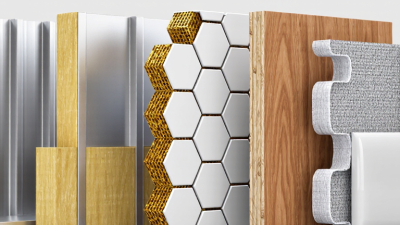
When comparing composite panels, consider both the panel type and its core. Aluminum composite panels have thin metal faces and a lightweight core, making them useful for façades and interior features. Fiber-reinforced panels resist moisture and suit demanding, high-use areas. Wood-plastic composites offer a warmer appearance for screens or outdoor details, but can expand with heat. Looks can mislead.
Core materials change weight, insulation, stiffness, and fire performance. Polyethylene cores are light, while mineral-filled cores may provide improved fire performance; confirm the rating for the complete panel assembly. Foam cores can add insulation, and honeycomb cores can provide stiffness without much weight. Yet a stronger core does not automatically mean a better panel. Check the panel’s intended use, support spacing, fixing method, and exposure to water or temperature swings. A small mismatch can cause movement, rattling, or difficult repairs.
Tips:
Compare technical data sheets, not just samples. Ask for test results covering the panel system, including joints and fixings. Check edge details and cut samples for signs of moisture pathways. If specifications feel unclear, pause and ask the supplier or project professional to explain them. That extra check is easy to overlook.
Evaluate Strength, Weather Resistance, and Fire Performance
Composite panels should be compared by their tested properties, not appearance alone.
Start with the loads they must carry, including wind pressure, equipment weight, and the distance between supports. Check the panel’s allowable span and fastening requirements in its technical data. A stiff face sheet cannot compensate for an unsuitable core or poorly spaced supports. Ask for test results relevant to the intended installation, not just a general strength claim.
Weather resistance depends on more than the outer surface.
Look for information on moisture absorption, UV exposure, temperature changes, and corrosion resistance where metal components are used. Inspect how edges and joints are sealed; water can enter through a small gap and damage the core over time.
This is easy to overlook.
Allow for movement as panels heat and cool, and follow the specified drainage details. Real sites are rarely as neat as drawings suggest.
Fire performance needs equally careful checking.
Ratings may depend on the panel’s core, thickness, joints, fixings, and the full wall or roof assembly. Confirm that test documentation matches the configuration you plan to use. A fire rating on a panel alone may not describe the performance of an installed system. If the available data is unclear, pause and ask a qualified building professional to review it.
Small details matter.
Check Installation, Maintenance, and Compliance Needs
How to Choose the Right Composite Panels?
Choosing a composite panel is not only a color decision; installation details often determine how well it performs. Check the substrate, fixing method, and required movement gaps before ordering. A sun-facing wall can heat panels enough to expand, so installers need room for movement. Small details matter. Ask whether cut edges need sealing and which tools help prevent chipped surfaces.
Maintenance expectations should match the building’s setting. Near roads, dust and oily deposits may require more frequent washing than on a sheltered courtyard wall. Request written cleaning guidance, including suitable detergents, water pressure limits, and inspection intervals. Check that joints and fasteners remain accessible; hidden damage is easy to miss. Upkeep plans are often skipped during design. That can sting later.
Compliance checks should be specific to the project, not assumed from a product label. Confirm fire performance, emissions documentation, structural suitability, and local approval requirements with the design team and relevant authorities. Ask for current test reports and installation instructions that match the supplied panel thickness and fixing system. If paperwork is vague, pause. Different sites impose different conditions, and a neat sample cannot prove long-term performance.
Balance Cost, Service Life, and Sustainability When Selecting Panels
How to Choose the Right Composite Panels?
Choosing a composite panel is a balance between its purchase price, expected service life, and environmental impact. A cheaper panel may need repairs sooner, especially near damp areas or where carts and equipment cause frequent knocks. Check the product’s technical data for suitable temperatures, moisture exposure, cleaning methods, and installation requirements. A specification sheet is useful, but it cannot replace checking the conditions at your actual site.
Look beyond the upfront quote. Compare expected maintenance, replacement access, and the cost of downtime over the panel’s likely service life. Ask suppliers how durability claims were tested and whether documented environmental data is available. Recycled content can be valuable, but also consider whether the panel can be separated or recycled at the end of use. That part is easy to overlook. There is no perfect scorecard, and I would question any comparison that treats every building as the same.
Tips: Request samples and inspect the edges, finish, and feel before ordering. Confirm fasteners and cleaning products are compatible. For a busy corridor, test a small area if possible. Record assumptions, too; estimates can be wrong.