Choosing the best wall panels is not simply a matter of matching color to furniture. Panel composition, moisture resistance, fire performance, acoustic behavior, and installation quality can shape a room for years. A beautiful surface may still fail beside a shower, busy corridor, or poorly ventilated kitchen.
Industry research supports a more careful approach. The United Nations Environment Programme’s 2024 Global Status Report for Buildings and Construction highlights the building sector’s major energy and emissions impact. That makes material durability and responsible sourcing increasingly important. Grand View Research’s wall panels market analysis also identifies growing demand for decorative, acoustic, insulated, and sustainable panel systems. These categories are not interchangeable. Each solves a different practical problem.
This guide presents 10 tips for choosing wall panels with evidence and everyday experience in mind. It considers the substrate, room conditions, maintenance demands, acoustic goals, and total installed cost. It also examines manufacturer documentation, recycled content claims, warranty terms, and relevant fire or moisture certifications. Check the details.
A panel that performs well in a dry bedroom may warp in a humid bathroom. A low purchase price may hide difficult cutting, extra adhesives, or frequent repairs. I have found that specifications often look convincing until installation begins. That is where careful questions matter. Not every “eco-friendly” label offers the same proof, either. The strongest choice balances appearance, verified performance, installer skill, and long-term value rather than chasing one impressive feature.
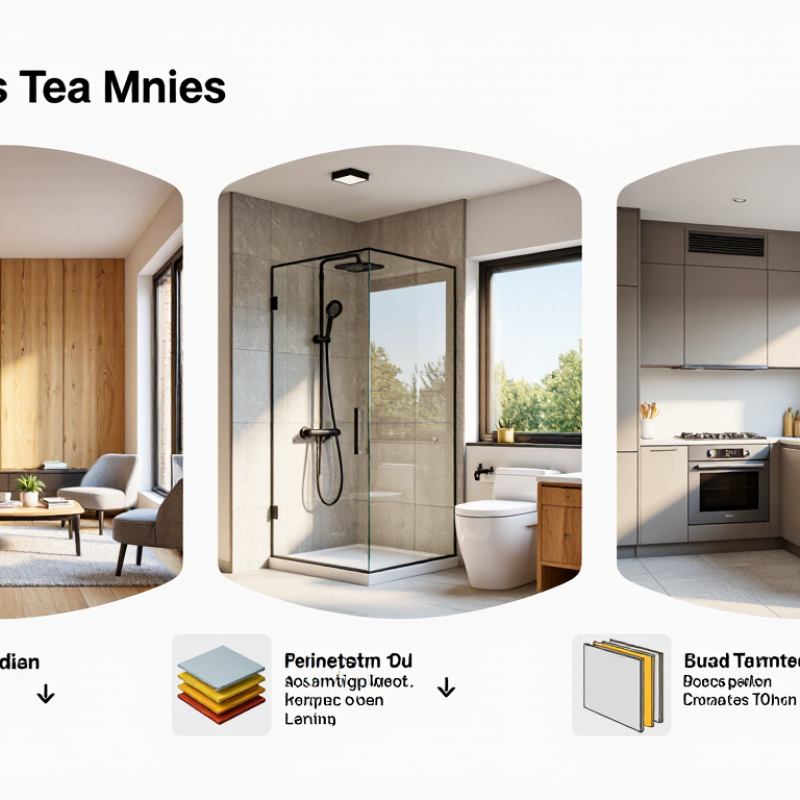
10 Tips for Choosing the Best Wall Panels?
Understanding wall panel types starts with the room’s real demands. PVC panels resist moisture and clean easily, making them practical for bathrooms and utility areas. MDF and wood veneer panels add warmth to offices, bedrooms, and reception spaces. Acoustic panels help reduce echo in meeting rooms, studios, and restaurants. FRP panels suit busy kitchens and healthcare areas because their sealed surfaces support frequent cleaning. Metal panels offer impact resistance, while stone composite panels create a heavier visual effect.
Check moisture exposure, fire performance, impact resistance, cleaning needs, and expected service life. Also examine panel thickness, surface texture, edge details, and installation method. A panel may look excellent in a sample room but fail on a damp wall. I once underestimated substrate preparation, and small uneven areas became obvious after installation. That mistake still influences my inspections.
Measure the wall carefully, including doors, outlets, corners, and ventilation points. Confirm whether adhesive, clips, or a supporting frame is required. Review technical data instead of trusting appearance alone. For public interiors, ask about tested fire ratings and hygiene properties. For homes, consider repair options and color changes over time. Short panels mean more joints. More joints mean more maintenance. No panel fits every project. The practical choice often depends on details that are easy to overlook.
Choosing wall panels starts with the room, not a color sample. Walk through the space at different times of day. Note glare, traffic, humidity, and existing textures. A narrow hallway may need vertical lines. A busy meeting room may need acoustic control. Measure wall width, ceiling height, outlets, doors, and corner conditions. Small errors become visible after installation. I once ignored a low socket. The final cut looked awkward.
Define style through material behavior, not appearance alone. Wood-look surfaces can warm a cold office, while stone-like textures can add visual weight. Request physical samples and view them beside flooring and daylight. Digital images often hide surface depth. Check cleaning instructions, scratch resistance, color stability, and edge finishing. For kitchens or damp rooms, confirm moisture performance and suitable backing. Ask for test reports and installation guidance. Reliable documentation matters more than confident sales language. Some panels look premium but feel fragile at the corners.
Match the panel to daily use. High-traffic corridors need impact resistance and replaceable sections. Bedrooms may benefit from softer textures and reduced sound reflection. Fire performance, indoor emissions, and maintenance requirements should be verified against local building rules. Do not choose a complex pattern before planning seams. A beautiful design can fail when joints land beside a light switch. Leave access for wiring and future repairs. I still prefer practical compromises. Style matters, but a panel that cannot survive the room becomes expensive decoration.
| Tip | Decision Focus | Suitable Panel Types | Key Performance Considerations | Typical Best-Fit Spaces | Maintenance Level | Design Flexibility | Practical Recommendation |
|---|---|---|---|---|---|---|---|
| 1 | Define the room’s purpose | PVC, ceramic, wood veneer, acoustic PET | Match moisture resistance, durability, cleanability, and sound control to the room’s daily use. | Bathrooms, kitchens, offices, bedrooms, hospitality areas | Low–Medium | High | List the room’s main demands before comparing colors, textures, or decorative patterns. |
| 2 | Set a realistic budget | MDF, PVC, laminate, fiber cement | Consider the full installed cost, including substrate preparation, trims, adhesives, labor, and waste. | Residential renovations, retail interiors, commercial fit-outs | Low–Medium | Medium–High | Compare total project cost rather than the panel price alone. |
| 3 | Prioritize moisture resistance | PVC, ceramic, porcelain, fiber-cement | Non-porous or moisture-tolerant surfaces are generally better suited to wet or humid conditions. | Bathrooms, laundry rooms, shower surrounds, utility areas | Low | Medium–High | Confirm that seams, edges, backing materials, and installation systems are also suitable for moisture exposure. |
| 4 | Evaluate impact and scratch resistance | High-pressure laminate, porcelain, fiber cement, solid wood | Hard, well-finished surfaces typically perform better in high-traffic areas and around furniture. | Hallways, restaurants, schools, corridors, retail spaces | Low–Medium | Medium | Use protective trims and allow for movement where panels may be exposed to repeated impact. |
| 5 | Choose the right visual style | Wood veneer, fluted MDF, stone-look laminate, 3D gypsum | Color, grain direction, relief, reflectivity, and scale strongly affect how large or intimate a room feels. | Living rooms, feature walls, reception areas, bedrooms | Medium | Very High | Use textured panels on focal walls and simpler finishes on larger surfaces to avoid visual overload. |
| 6 | Check acoustic requirements | Perforated wood, slatted wood, acoustic PET, fabric-wrapped panels | Sound absorption depends on the panel surface, cavity depth, backing layer, and installation spacing. | Meeting rooms, studios, home theaters, open-plan offices | Medium | High | For meaningful acoustic improvement, review tested absorption data instead of relying only on panel thickness. |
| 7 | Review fire-safety needs | Mineral-based, fiber-cement, tested laminate, treated wood | Fire performance varies by material, thickness, coating, backing, and mounting method. | Public buildings, hospitality, healthcare, commercial interiors | Low–Medium | Medium | Select products with documented fire classifications that meet the requirements of the local building code. |
| 8 | Measure installation complexity | Interlocking PVC, clip-mounted slats, adhesive laminate, tile panels | Panel weight, cutting requirements, substrate flatness, joint detailing, and access to services affect installation time. | Fast renovations, occupied spaces, feature-wall upgrades | Low–Medium | High | Choose a system that suits the existing wall condition and the installer’s available tools and experience. |
| 9 | Plan for cleaning and upkeep | PVC, laminate, ceramic, sealed fiber cement | Smooth, sealed surfaces are usually easier to wipe clean; deep textures and open joints can collect dust. | Kitchens, healthcare spaces, corridors, dining areas | Low | Medium | Confirm resistance to common cleaners and avoid abrasive products unless the manufacturer permits them. |
| 10 | Consider long-term sustainability | Recycled PET, certified wood, fiber cement, durable mineral panels | Assess service life, recycled content, responsible sourcing, repairability, recyclability, and transport weight. | Green-building projects, offices, education, residential interiors | Low–Medium | Medium–High | Look for transparent environmental documentation and choose durable finishes that will not need frequent replacement. |
In my installation experience, panel material matters more than appearance alone. PVC panels resist splashes and clean easily, making them practical for bathrooms and utility rooms. However, low-quality surfaces can scratch or discolor under strong sunlight. Natural stone handles heat and impact well, but it adds weight and may need sealing. Ceramic panels offer excellent moisture resistance, yet their grout lines require regular attention. Wood panels create warmth and texture. They also react to humidity. That detail is easy to overlook.
Durability depends on more than the panel itself. Check the wall condition, fixing method, edge protection, and room ventilation. A strong panel can still fail on a damp or uneven wall. I once trusted a moisture-resistant board without checking the plaster behind it. The surface looked perfect at first. Later, trapped moisture caused staining near the lower edge. It was a useful mistake. Maintenance needs should guide the choice. Smooth panels usually need a soft cloth and mild cleaner. Textured panels can collect dust in narrow grooves. Stone may require periodic resealing, while painted wood may need touch-ups after impact. Always review the technical data for water exposure, cleaning limits, fire performance, and expected service conditions. Claims should be verified, not assumed.
Choosing wall panels starts with accurate dimensions, not attractive samples. Measure wall height, width, corners, outlets, and openings separately. Measure twice. Grand View Research estimates the global wall panels market reached about USD 16.7 billion in 2023, showing how many systems now compete for different spaces. Their sizes are not universal.
Installation Method Check the installation method before ordering. Tongue-and-groove panels may need a level subframe, while adhesive-mounted panels require a clean, dry, stable surface. Mechanical fasteners work better on uneven walls, but they can expose screw heads. Leave the manufacturer’s expansion gap at floors, ceilings, and corners. Small gaps matter. The U.S. Department of Energy reports that air sealing can reduce household heating and cooling costs by 5% to 30%; poorly sealed panel edges can undermine that goal. Panels are not insulation by default.
Compatibility Check Compatibility deserves a practical test. Compare panel thickness with door frames, electrical boxes, trim, and existing skirting. Confirm performance beside moisture, heat, or fire-risk areas through documented test ratings, not casual claims. ASTM standards and local building codes may require specific substrate, adhesive, or fixing methods. I have seen attractive panels fail because the wall was damp or slightly bowed. That mistake is easy. A 600-millimeter panel can reveal a small alignment error across an entire wall. Order a sample, test the fixing method, and inspect the finished joint under natural light. I still miss details sometimes. Rechecking the actual site remains more reliable than trusting a catalogue diagram.
10 Tips for Choosing the Best Wall Panels
When comparing wall panels, begin with the full installed cost, not the shelf price. Ask for estimates covering delivery, cutting, adhesives, trims, labor, and waste. A low-cost panel may require extra leveling work on uneven walls. Measure twice. Request a written quotation with each assumption clearly listed.
Safety should guide the specification. Check fire-performance reports, moisture resistance, surface slip risks, and indoor air emissions. Confirm that testing comes from an independent laboratory and matches your building’s intended use. For kitchens, bathrooms, and public areas, examine cleaning chemicals, impact resistance, and ventilation requirements. Local building authorities may require specific documentation. Safety comes first.
Long-term value depends on maintenance, repairability, and expected service life. A durable surface that cleans easily may cost less over ten years than a cheaper panel needing frequent replacement. Check color stability, joint performance, warranty limits, and access to replacement pieces. Ask installers how edges behave after repeated washing or seasonal movement. Small details matter. I have seen specifications focus heavily on appearance while ignoring difficult repairs behind fixed panels. That is an easy mistake to make. Reconsider the design if one damaged section requires removing an entire wall. Reliable suppliers should provide technical sheets, installation guidance, and realistic performance claims, not vague promises.
Evaluating costs, safety standards, and long-term value starts with comparing both the initial installed price and the panel’s expected service life.
The chart uses indicative U.S. installed-cost ranges per square foot. Actual costs vary by region, panel thickness, finish, labor, substrate preparation, and project complexity. Always verify fire, moisture, VOC, and structural requirements against local codes.