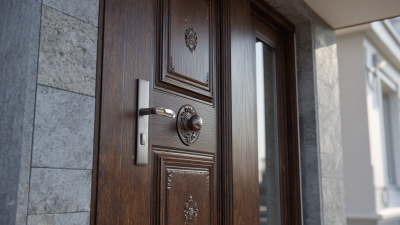
What Are the Top Types of Composite Doors?
Choosing a new entrance door involves more than picking a colour. The material affects insulation, security, upkeep, and how the door looks beside brick, stone, or painted woodwork. Composite doors combine materials, but their construction and finishes can differ considerably between manufacturers. That matters.
This guide explores the main types, including doors with timber-style finishes, glass-reinforced plastic skins, and designs built around different core materials. It explains what each option may offer, from a realistic woodgrain texture to a smooth, low-maintenance surface. A close-up detail can help: check the frame edges, panel joints, glazing, and threshold, not just the showroom photograph.
There is no single best choice for every home. A sheltered porch has different demands from an exposed entrance facing driving rain, and household priorities vary. Some buyers value a traditional appearance; others focus on easy cleaning or thermal performance. Specifications, installation quality, and maintenance guidance all deserve attention. Claims about strength or energy savings should be checked against product documentation rather than assumed from the word “composite.” Slightly less glamorous, perhaps, but useful.
The sections ahead compare popular styles and construction choices in practical terms. They also highlight questions to ask before ordering, such as what the core contains and how glazing is fitted. With those details in view, it becomes easier to choose a door that suits both the building and everyday use.
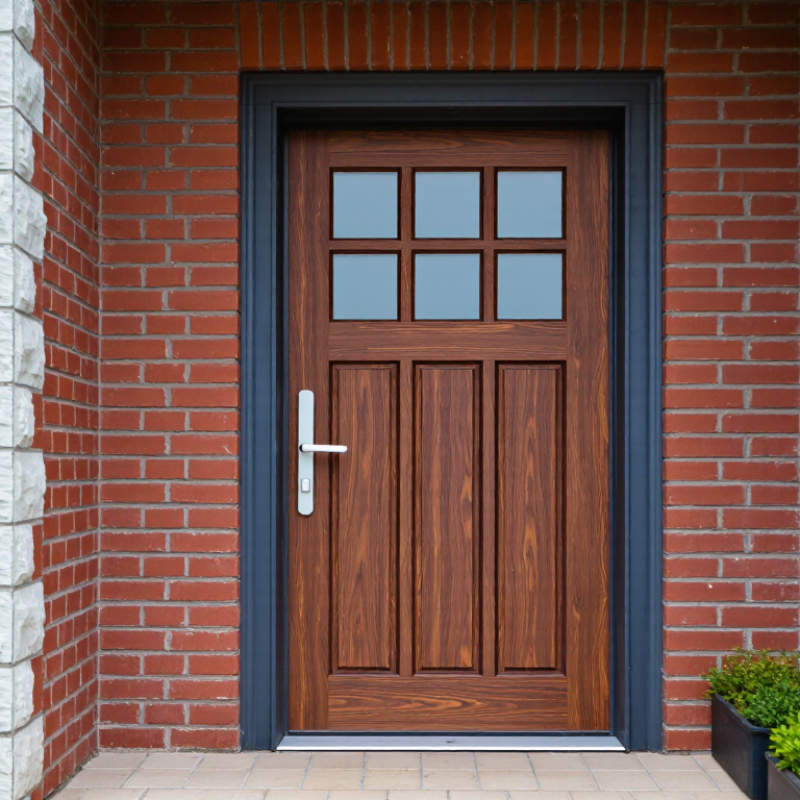
Traditional Panel Composite Doors
Traditional Panel Composite Doors
Traditional panel composite doors borrow the familiar proportions of painted timber doors, with raised or recessed sections that add depth to a flat entrance. The surface may imitate wood grain, while the composite construction is designed to resist everyday moisture and reduce routine upkeep. Check the manufacturer’s care guidance, since cleaning methods and finishes can vary.
Panel layouts range from one large central recess to several smaller rectangles. A modest design can suit a narrow porch, where heavy detailing may feel crowded. In a wider entrance, glazed panels can bring daylight into a dim hallway, but consider privacy and the door’s stated performance details before choosing glass. Small decisions matter: the handle height, frame colour, and visible joint lines all affect the finished look.
A traditional style can feel reassuring. It can also look overly formal beside a very modern exterior, so compare samples against your brick, paint, and outdoor light. Colour often shifts between a showroom and a shaded doorway. Ask how the door is measured and fitted; even a well-made slab may perform poorly if gaps or seals are incorrect. That detail is easy to overlook.
Glazed Composite Doors
Glazed composite doors bring daylight into a hallway that might otherwise feel dim.
A slim vertical pane can brighten the entrance without making the door look mostly like a window. Clear glass gives an open view, while obscure glass softens sightlines but still lets light through. For a street-facing entrance, check the glass sample in daylight; some patterns look much busier up close. Small detail, big difference.
Ask the installer how the glazing is secured and what performance figures apply to the complete door, not just the glass. The right specification depends on the panel size, position, and intended use. Well-fitted seals matter too: gaps around the frame can let in draughts and undermine comfort. There is a trade-off. Larger glazed areas may suit a dark corridor, yet provide less privacy and can need more frequent cleaning. Check that hinges, locks, and the surrounding frame are matched to the door’s weight and design. After installation, look for even gaps and smooth closing; a beautiful panel is less useful if the door catches or whistles in the wind.
Stable Composite Doors
Stable composite doors are designed to keep their shape through changing weather. Their layered construction often combines a strong core with protective outer surfaces. This helps limit swelling, warping, and fading compared with some traditional materials. The door should still be measured and fitted carefully. Even a well-made slab can stick if the frame is out of square.
Look closely at the frame, hinges, locks, and weather seals, not just the door’s appearance. On a rainy day, a continuous seal can help reduce draughts and water ingress. A firm latch and evenly spaced gaps are useful signs of a sound installation. Small details count. Ask what care the finish needs, and check that the door suits your opening and local exposure to sun, wind, and rain. Composite doors are not maintenance-free; seals may need attention, and hardware can loosen over time. I would not judge stability from weight alone. A heavy door may feel reassuring, but correct construction and installation matter more. Inspecting these points makes it easier to choose a stable door that works well in everyday use.
French Composite Doors
French composite doors give a room a wide, paired opening, often with glazed panels that bring daylight into a hallway or garden-facing space. Their frames may combine reinforced composite skins with an insulated core, though construction varies by product. Check the actual specification rather than assuming every composite door performs alike. The meeting point between the two leaves needs careful alignment; even a small fitting error can cause drafts or make the lock awkward to operate. Fit matters.
Glazing changes the energy picture. The U.S. Department of Energy estimates that heat gain and loss through windows account for 25–30% of residential heating and cooling energy use. That figure is not a French-door-specific savings estimate, but it shows why glass area and thermal ratings deserve attention. Compare the door’s U-factor and solar heat gain coefficient, and look for independently verified ratings, such as those reported through the National Fenestration Rating Council. In practice, a low-rated door can disappoint despite an attractive finish. Check the threshold, seals, and drainage details too; these small parts are easy to overlook, and I would not judge performance from appearance alone.
Contemporary Composite Doors
Contemporary composite doors combine a clean, modern appearance with a layered construction. Many have a durable outer skin, an insulated core, and reinforced sections around the lock. Finishes can imitate timber grain or use smooth colors such as charcoal and slate. Narrow glazed panels bring daylight into a hallway, but privacy glass may suit a front door better. Small details matter. Check how the handle, letter opening, and glazing sit together before choosing a design.
Tips: Measure the existing frame, including its width at several points. Ask how the door’s seals, hinges, and threshold fit your opening. A striking dark finish can show dust sooner than expected.
Think about daily use, not only photographs. If the entrance faces strong afternoon sun, ask the installer about suitable finishes and care instructions. Check that the door swings freely and does not catch on flooring. Security depends on the whole setup, including the frame, lock, and installation, so avoid judging it by appearance alone. Some contemporary styles can feel a little plain in person; viewing a sample beside your home’s brick or cladding can help.