2026 Best Exterior Cladding Types for Global Buyers?
Choosing the best exterior cladding for 2026 requires more than comparing color, price, or showroom appearance. Global buyers must examine climate, installation skills, maintenance access, fire performance, and local supply chains. A fiber-cement panel may suit a wet coastal city, while ventilated terracotta could perform better in a hot, dense urban area. Timber can provide warmth, but it demands disciplined detailing and regular maintenance.
Market evidence supports careful comparison. Grand View Research estimates the global siding market at more than US$100 billion, with continued growth through 2030. This figure is not identical to the entire exterior cladding sector, but it offers a useful market indicator. The UNEP Global Status Report for Buildings and Construction 2023 also reports that buildings and construction create approximately 37% of global energy-related and process emissions. Cladding therefore affects more than appearance. It influences thermal performance, durability, replacement frequency, and embodied carbon.
Dr. Joseph Lstiburek, a leading building-science expert, states: “The perfect wall is one that has all the control layers on the exterior of the structure.” His principle remains valuable for evaluating rainscreens, insulation, air barriers, and moisture control. Yet no universal winner exists. I would not rank materials without regional evidence. A low-cost panel can become expensive after repeated repainting, damaged fasteners, or difficult repairs. This 2026 guide compares major exterior cladding types through performance data, installation realities, lifecycle value, and buyer experience. Some conclusions may remain imperfect, because building conditions rarely behave like laboratory samples.
What Exterior Cladding Is and Why It Matters in 2026
Exterior cladding is the protective outer layer of a building. It manages rain, wind, heat, and appearance. In 2026, global buyers should treat it as a performance system, not a decorative skin.
The 2024 Global Status Report for Buildings and Construction, published by UNEP, states that buildings consume about 32% of global energy and produce roughly 34% of global carbon emissions. Cladding can reduce heat gain, air leakage, and maintenance demand when designed correctly. However, results depend on insulation, joints, ventilation, and local weather. A beautiful panel cannot repair poor detailing.
Material choice also affects project risk. Metal, fiber cement, brick, stone, timber, and engineered composites offer different fire, moisture, weight, and carbon profiles. The International Energy Agency continues to emphasize building-envelope efficiency as a practical route to lower operational energy use. Yet embodied carbon remains easy to overlook. That is a mistake worth admitting.
Tips: Request verified test data for water penetration, wind pressure, fire performance, thermal resistance, and service life. Compare full wall assemblies, not isolated panels. Ask for an environmental product declaration where available. Check local installation skills, replacement access, and recycling options before approving samples. Small details matter. Sometimes the cheapest cladding becomes expensive after one wet winter.
How to Compare Major Exterior Cladding Materials
Choosing exterior cladding in 2026 requires more than comparing showroom colors. Global buyers should compare performance, maintenance, installation, and climate suitability. I assess samples beside a window, not under retail lights. That small test reveals glare, texture, and color shifts. Cost matters. So does repair access.
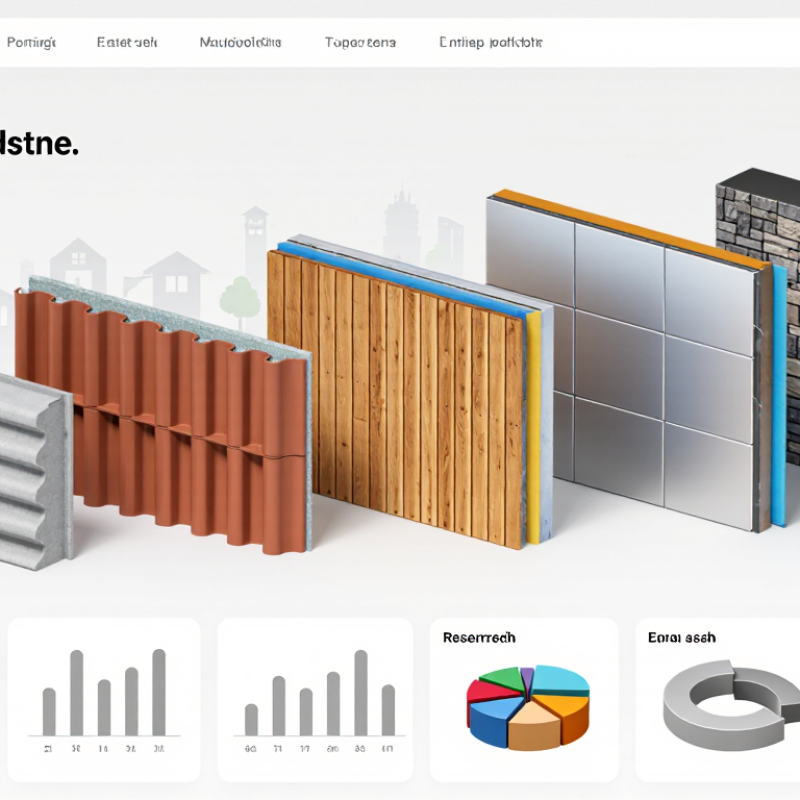
Fiber-cement panels resist moisture and insects, but cut edges need careful sealing. Metal cladding is lightweight and fast to install. However, coastal salt, dents, and thermal movement require suitable coatings and detailing. Brick offers strong fire resistance and long service life. It needs robust foundations and skilled masonry. Natural stone looks substantial, yet its weight can increase structural and transport costs. Wood feels warm and can be renewable when responsibly sourced. It also needs regular inspection around joints and splash zones. Vinyl may reduce initial spending, but heat, impact, and appearance expectations vary by region.
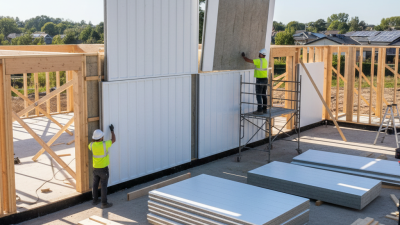
Ask suppliers for documented fire, wind, water, and impact performance. Check whether tests match your project’s building rules. Review warranties carefully; exclusions often matter more than headline years. I have seen attractive systems fail because flashing was rushed. The cladding was not the real problem. Installation was. Request a full wall assembly, including insulation, membranes, fasteners, and drainage gaps. A cheaper panel may become expensive after scaffolding, repainting, or difficult replacement. One comparison remains imperfect: regional labor and shipping can change the ranking completely. Get two local installation estimates before choosing.
Key Performance Factors for Global Buyers
Global buyers assessing exterior cladding in 2026 should examine performance before appearance. Climate exposure changes the specification. Coastal buildings need strong resistance to salt, wind, and persistent humidity. Cold regions demand stable movement joints and reliable freeze-thaw performance. Hot climates require tested resistance to ultraviolet radiation and surface heat. Small details matter.
Fire safety requires careful review of the complete wall assembly, not one panel alone. Buyers should request tested reaction-to-fire and fire-resistance documentation for the proposed system. Water management is equally important. Look for drained cavities, flashing details, sealed penetrations, and clear installation tolerances. A beautiful façade can still fail after one poorly protected window joint.
Thermal performance affects energy use and indoor comfort. Check the cladding, insulation, fixings, and thermal bridges together. Acoustic control may matter near airports, highways, or dense urban streets. Impact resistance deserves attention in schools, warehouses, and public entrances. During procurement, verify wind-load calculations, corrosion ratings, warranty conditions, replacement access, and local code acceptance. Shipping distance also affects carbon impact, lead time, and spare-part availability. Field inspections often reveal gaps between drawings and installation. That gap is easy to underestimate. I have seen projects specify excellent materials but overlook local workmanship, scaffolding limits, or cleaning practices. A practical mock-up, photographed and tested on site, can expose these weaknesses before they become expensive repairs.
Regional Climate, Building Codes, and Installation Needs
2026 Best Exterior Cladding Types for Global Buyers?
Regional Climate, Building Codes, and Installation Needs
The best exterior cladding depends on local weather, regulations, and installer capability. In humid coastal regions, choose systems that resist salt, driving rain, and corrosion. Ventilated rainscreen assemblies can help walls dry after storms. In cold climates, freeze-thaw resistance and correct thermal movement matter. Dry inland areas may demand strong ultraviolet resistance and careful joint design. No cladding is universally best. That assumption causes expensive mistakes.
Building codes also vary by region and building height. Confirm fire classification, wind-load performance, moisture control, insulation requirements, and fixing methods before purchasing. A material may pass one market’s tests but require additional certification elsewhere. Local engineers should review the wall assembly, not only the visible panels. Installation quality often affects durability more than the material’s advertised lifespan. Poor flashing remains a common failure point.
Tips: Request tested system data, not isolated product claims. Ask for regional references and installer training records. Check corner details, window interfaces, fasteners, and replacement procedures. Leave room for inspection. A beautiful facade can still fail at its joints. Buyers should also allow for imperfect workmanship, because real construction rarely matches showroom conditions. A small mock-up can reveal movement, drainage, and color issues before full installation.