Top Tips for Sourcing Quality Pipe Products Globally
In today's global market, sourcing quality pipe products can be challenging. With various suppliers and manufacturers, it's essential to understand what to look for. Quality should not be compromised. Low-quality pipes can lead to significant issues down the line, including safety risks and financial losses.
Consider the materials used in pipe products. Copper, PVC, and steel each have unique properties. Selecting the right one for your needs is crucial. Additionally, focus on the supplier's reputation. A supplier with a history of reliable delivery and quality assurance can be invaluable. However, not every supplier will meet expectations, and this can lead to disappointment.
Researching certifications is another way to ensure quality. Look for industry standards that guarantee durability and safety. Remember that transparency is key. A trustworthy supplier will readily provide documentation. In the end, finding quality pipe products requires careful consideration and research. There may be obstacles, but the right approach can yield excellent results.
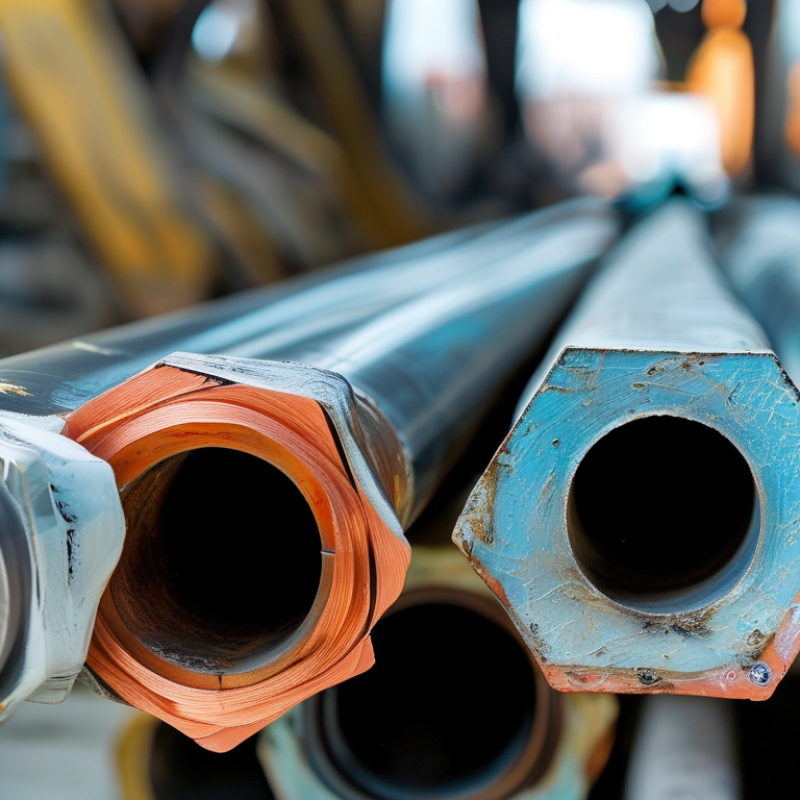
Understanding the Different Types of Pipe Products Available Globally
When sourcing quality pipe products globally, understanding the various types available is crucial. The global pipe market encompasses a variety of materials, including steel, PVC, and copper. According to a recent market analysis, the global pipe market is expected to reach USD 500 billion by 2025, highlighting the demand for these essential products. Steel pipes dominate the market due to their strength and durability, making them ideal for construction and industrial applications. PVC pipes are popular for residential projects due to their corrosion resistance and lightweight nature.
Different applications require different specifications. For instance, pipes used in oil and gas require high resistance to pressure and corrosion. Data suggests that in 2021, approximately 30% of global pipe consumption was in the oil and gas sector. This highlights the need for suppliers to diversify their product offerings.
Investing time in understanding these categories can enhance sourcing success. Researching local and international suppliers will provide insights into quality standards. Engaging with industry experts can also improve your knowledge. Build relationships with manufacturers to ensure compliance with the necessary regulations. Market trends are ever-changing, making it vital to stay updated with industry reports. Always review the specifications of products before purchasing. Quality should never be compromised.
Assessing Quality Standards for Pipe Products in International Markets
When sourcing pipe products globally, understanding quality standards is crucial. Different countries have varying regulations that impact material performance and safety. According to the International Organization for Standardization (ISO), more than 22,000 ISO standards exist, many specifically tailored for pipe products. These standards cover everything from dimensions to mechanical properties, ensuring consistency and reliability. It's essential for buyers to familiarize themselves with these standards based on market needs.
Quality assessments also include checking certifications. Reports from the American Society for Testing and Materials (ASTM) indicate that 40% of pipe failure incidents stem from inadequate quality control. Inspection processes should not be overlooked; they serve as a safeguard against potential failures. Testing for resistance to corrosion and pressure is vital for long-term performance.
However, challenges persist. Some suppliers may claim compliance without valid certification, leading to risks. A recent survey indicated that quality issues affected 30% of international buyers in the last year. Thus, thorough vetting of suppliers and their quality assurance processes is essential to mitigate these risks in sourcing decisions.
Identifying Reliable Suppliers and Manufacturers for Pipe Products
Finding reliable suppliers and manufacturers for pipe products can be challenging. It’s crucial to approach the sourcing process with care. Start by conducting thorough research online. Look for suppliers with a strong presence and positive reviews. Use industry forums and networks to gather insights from other buyers. Personal recommendations can be invaluable.
Once you have potential candidates, vet them carefully. Request certifications and inspect their quality management standards. Consider their production capabilities. Are they equipped to handle large orders without compromising quality? Ask for samples to evaluate performance and durability. Establishing communication is also vital. Reliable suppliers are responsive and open to discussions about your specific needs.
At times, you may encounter red flags. Some suppliers may not meet agreed deadlines, or their products might not align with your quality requirements. Reflect on these experiences to refine your criteria for selecting vendors. Building a robust relationship with trustworthy suppliers can significantly improve your sourcing process in the long run.
Evaluating Shipping and Logistics Options for Sourced Pipe Products
When evaluating shipping and logistics options for sourced pipe products, understanding the complexities of international transport is crucial. According to a report by the International Journal of Production Economics, logistics costs can account for up to 30% of the total product cost. This emphasizes the need for careful planning. Utilizing digital tools can provide real-time tracking, reducing delays and enhancing transparency.
Choosing the right transportation method can make a significant difference. Air freight offers speed but at a higher cost, while ocean freight is more economical but slower. Balancing these options requires an in-depth analysis of delivery timelines and budget constraints. In a study from the Council of Supply Chain Management Professionals, optimizing shipping routes can reduce costs by approximately 15%.
Ensuring all logistics partners are reliable is non-negotiable. Samples should be shipped early to assess the quality and service. Additionally, factors like customs clearance and local regulations must be considered. Engaging experienced logistics providers can mitigate risks but requires an upfront investment in time and resources. This decision-making process should be revisited regularly to adapt to changing conditions in global trade.
Implementing Effective Quality Control Measures Upon Receipt of Products
Implementing effective quality control measures upon receipt of pipe products is crucial for ensuring reliability and performance. When products arrive, the first step is to meticulously inspect them for any visible defects. Look for dents, scratches, or irregularities on the surfaces. These minor flaws can indicate larger issues. It’s essential to address these concerns with suppliers promptly. A thorough evaluation saves time and resources in the long run.
One strategy for quality assessment includes using a standardized checklist. This checklist should cover critical aspects such as dimensions, material specifications, and conformity to standards. By referring to this list, you can systematically verify each product. It can also be beneficial to involve team members from different departments. Diverse perspectives can identify problems that may otherwise go unnoticed. However, even with a comprehensive checklist, human error can still occur. This is a reminder to remain vigilant.
Documenting every inspection thoroughly is also key. Keep records of what was checked, the outcome, and any discrepancies found. This not only helps in tracking supplier performance but can also be beneficial for future audits. A detailed log can reveal patterns over time. If issues consistently arise with a specific supplier, it’s worth reflecting on the reasons behind this and considering alternative options. Quality control is an ongoing journey of improvement, and every detail matters.
Top Tips for Sourcing Quality Pipe Products Globally - Implementing Effective Quality Control Measures Upon Receipt of Products
| Dimension |
Material Type |
Country of Origin |
Certification |
Quality Control Measures |
| 2 inches |
PVC |
China |
ISO 9001 |
Visual Inspection, Pressure Testing |
| 3 inches |
Steel |
India |
ASTM |
Material Testing, Surface Finish Check |
| 1.5 inches |
Copper |
USA |
UL Listed |
Dimensional Verification, Random Sampling |
| 4 inches |
Aluminium |
Germany |
DIN EN 10204 |
Chemical Composition Check, Hydrostatic Testing |
| 6 inches |
Fiberglass |
Japan |
JIS |
Thickness Measurement, Impact Testing |