China Top 10 Pipe Fittings Manufacturers?
China’s pipe fittings industry sits at the intersection of large-scale manufacturing, export expertise, and demanding engineering standards. Grand View Research estimates that the global pipe fittings market is expanding at roughly 4% to 6% annually, depending on product classification and regional coverage. Other reports show different totals. Definitions are not fully consistent.
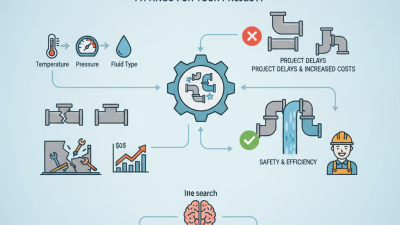
That matters when evaluating China’s top 10 pipe fittings manufacturers. A factory may lead in carbon steel elbows, while another specializes in stainless steel tees, forged fittings, or high-pressure flanges. Production capacity alone proves little. Buyers should examine ISO 9001 certification, ASME B16.9 or B16.11 compliance, material traceability, heat numbers, hydrostatic testing, and third-party inspection records. Small details matter.
The China Chamber of Commerce for Import and Export of Machinery and Electronic Products has repeatedly highlighted the country’s strong industrial supply-chain integration. UN Comtrade data also places China among the leading global exporters of iron and steel pipe fittings under HS 7307 classifications. These figures support China’s manufacturing importance, but export volume does not automatically equal engineering reliability.
E. Shashi Menon, author of Piping Calculations Manual, describes piping design as “a combination of science and art.” That principle applies here. A fitting must fit precisely. It must also survive pressure, corrosion, vibration, temperature changes, and years of maintenance. This ranking therefore considers manufacturing depth, technical documentation, quality control, delivery performance, and verified project experience. It cannot remove every uncertainty. Supplier claims still require independent checking.
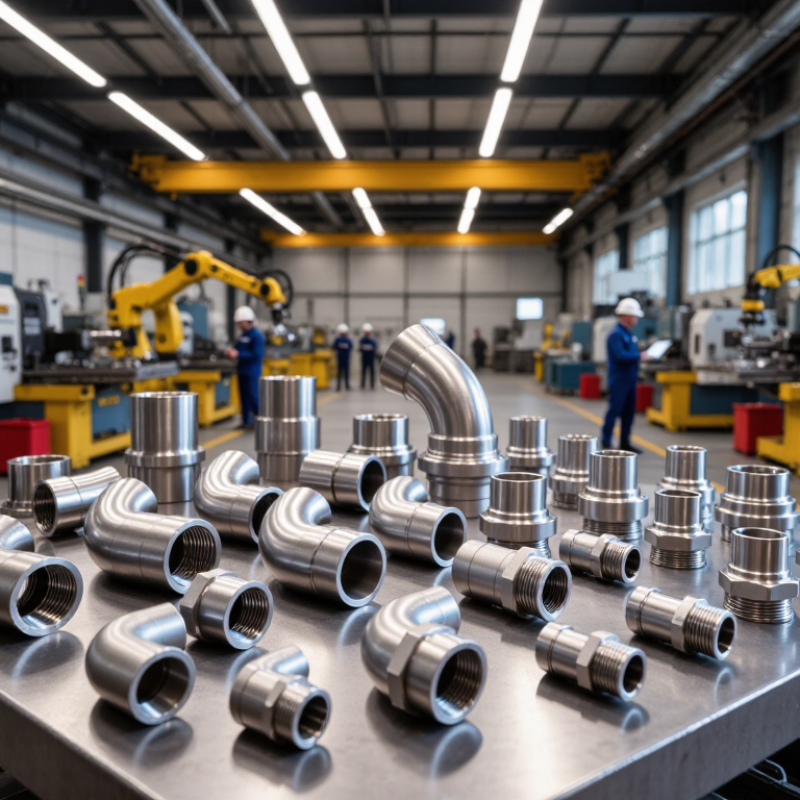
What Defines a Leading Pipe Fittings Manufacturer in China?
China Top 10 Pipe Fittings Manufacturers?
What Defines a Leading Pipe Fittings Manufacturer in China?
A leading pipe fittings manufacturer is defined by more than production capacity or an attractive catalog. Experienced buyers examine material traceability, dimensional accuracy, welding quality, and delivery consistency. Reliable manufacturers can provide heat numbers, inspection records, pressure-test results, and clear product specifications. These details matter when fittings are installed inside chemical plants, water systems, or high-temperature pipelines.
Practical experience also reveals important differences. A capable factory controls forming, machining, heat treatment, and surface finishing under documented procedures. Its engineers understand standards such as ASME, ASTM, and EN, but they should also explain limitations honestly. Factory audits, sample inspections, and independent testing can confirm whether written claims match actual production. A polished catalog is not enough. Sometimes, small documentation gaps expose larger process weaknesses.
Tips: Ask for recent inspection reports, material certificates, and production samples. Check tolerances with calibrated tools, not visual judgment. Request references from similar projects and review how complaints were handled. The best supplier is not always the cheapest. It is the one that communicates clearly, corrects mistakes, and maintains quality when orders become difficult. Ask difficult questions early. That saves time later.
A leading pipe fittings manufacturer in China is typically evaluated by product conformity, material traceability, pressure-testing capability, certification coverage, dimensional control, and export documentation. This reference weighting is based on common requirements found in GB/T, ASTM, ASME, ISO, and international procurement specifications. It is an industry evaluation model, not a ranking of individual companies.
How China’s Pipe Fittings Manufacturing Industry Is Structured
China Top 10 Pipe Fittings Manufacturers?
China’s pipe fittings industry is not a single, uniform sector. It is a layered network of specialized factories, trading companies, and integrated exporters. Some manufacturers focus on stainless steel elbows and tees. Others produce carbon steel flanges, forged fittings, or plastic connectors. Production clusters are common in Zhejiang, Jiangsu, Hebei, and Guangdong. Each area has different material strengths, equipment, and supplier networks.
That structure matters. A top-ten list should not rank companies by website appearance alone. Buyers should examine casting or forging capacity, CNC machining, welding control, and inspection records. A reliable factory can provide material certificates, dimensional reports, pressure-test results, and traceable batch numbers. During a supplier audit, details become visible: marked cartons, calibrated gauges, clean storage racks, and clearly separated grades. Small signs often reveal larger habits.
China also has many mid-sized manufacturers serving original equipment and project orders. They may accept custom drawings, private packaging, and mixed container quantities. Larger facilities usually offer stronger laboratory resources and steadier export procedures. Smaller plants may respond faster, but their quality systems can vary between batches. This is where online rankings become imperfect. A factory listed among the “top ten” may suit one application but fail another buyer’s pressure, temperature, or certification requirements. Product selection should follow engineering conditions, not popularity.
Top 10 Pipe Fittings Manufacturers in China
Top 10 Pipe Fittings Manufacturers in China
China’s top ten pipe fittings manufacturers are often judged by production experience, material control, and inspection discipline. The strongest suppliers commonly operate in Zhejiang, Jiangsu, Hebei, Guangdong, and Shandong. These regions support stainless steel, carbon steel, ductile iron, copper, and plastic fitting production.
A reliable manufacturer should provide material certificates, dimensional reports, pressure-test records, and traceable batch numbers. Experienced factories use CNC machining, automated forging, precision casting, and controlled heat treatment.
Their fittings may include elbows, tees, reducers, couplings, flanges, and threaded adapters. Warehouse details matter too. Sealed cartons, rust protection, clear labels, and separated batches reduce receiving problems.
The leading ten suppliers usually serve construction, water treatment, fire protection, energy, and industrial piping projects. Some focus on small threaded fittings, while others produce large welded components for demanding systems.
Before selection, buyers should inspect factory capacity, quality procedures, export experience, and response times. A video tour helps, but an independent inspection is stronger. No ranking is perfect. A factory with excellent machinery may still struggle with communication or delivery planning.
I have also seen attractive samples hide inconsistent production batches. That risk deserves attention. Pricing should be compared with wall thickness, tolerance, testing, packaging, and after-sales support, not judged by unit cost alone.
How to Compare Quality, Standards, Capacity, and Pricing
Comparing China’s top ten pipe fittings manufacturers requires more than a polished catalog. Begin with quality evidence: mill test certificates, heat numbers, dimensional reports, and pressure-test records. Ask whether each document matches the actual batch, not an older shipment. Material grades should be verified through chemistry and mechanical results. Small details matter. A clean weld is not enough. Inspect bevel angles, wall thickness, surface finish, and corrosion protection under suitable standards.
Standards must fit the service, not merely decorate the quotation. Check applicable ASME, ASTM, EN, or GB requirements, along with tolerances, marking, traceability, and inspection rules. Confirm whether testing is performed in-house or by an independent laboratory. An audit should examine calibration labels, rejected parts, operator training, and corrective-action records. This is where experience helps; factories often display their best production line.
Capacity should be measured against your schedule and fitting mix. Request monthly output, current utilization, tooling availability, and realistic lead times for custom elbows, tees, or reducers. Pricing needs a clear breakdown: material, machining, heat treatment, testing, packing, and logistics. The cheapest offer may exclude essential inspection or use thinner walls. That risk is easy to miss on a spreadsheet. Compare five sample pieces, not one, because consistency reveals more than appearance. No comparison is perfect. Exchange rates, steel costs, and inspection scope can change the result. Keep assumptions written down before choosing.
How to Choose the Right Chinese Pipe Fittings Manufacturer
When comparing Chinese pipe fittings manufacturers, begin with the application, not the lowest quotation.
Define the required material, pressure rating, connection type, size range, and working temperature. A supplier experienced in stainless steel fittings may not handle carbon steel projects equally well. Ask for recent production records, test reports, and certificates matching your specifications. Do not rely on catalog photos alone.
Request samples before placing a large order.
Check thread accuracy, wall thickness, surface finish, and dimensional tolerance with basic measuring tools. For welded fittings, inspect weld consistency and ask how defects are recorded. Pressure testing should include clear procedures, equipment details, and traceable results. Ask for heat numbers or batch records. Details matter.
A reliable manufacturer should explain its inspection stages without hesitation.
Review raw material controls, in-process checks, final inspection, packaging, and complaint handling. A factory video helps, but an independent audit provides stronger evidence. Confirm whether the quoted lead time includes testing and export packing. Hidden delays often begin there. Ask for references from similar industries, while protecting confidential information. A polished sales presentation can still conceal weak follow-up. I would also test communication with one small technical question. Slow or vague answers may become expensive later. Mistakes happen, but responsible suppliers document them and improve the process.