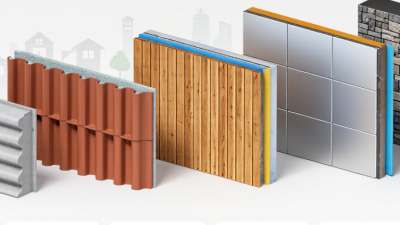
Global buyers are entering 2026 with broader wall cladding choices than ever before. Fiber cement, metal panels, brick slips, engineered stone, terracotta, timber, and high-performance laminates now compete across commercial and residential projects. Each option changes the building’s appearance, moisture management, maintenance burden, and installation requirements.
Stephen E. Selkowitz, a respected building-envelope researcher, described the envelope as “the interface between the interior and exterior environments.” That principle remains practical. Wall cladding is not merely a decorative skin. It must respond to wind-driven rain, ultraviolet exposure, temperature movement, fire performance, and local construction skills.
Small details matter.
A coastal project may need corrosion-resistant fixings and carefully sealed joints. A cold-climate façade may require ventilated cavities, continuous insulation, and reliable condensation control. In hot regions, reflective surfaces and shaded façades can reduce solar heat gain, but they may create glare or visual discomfort. Buyers should examine tested performance, warranty conditions, supplier experience, and replacement access before choosing a system.
This guide compares leading wall cladding types for global purchasing decisions in 2026. It considers material durability, embodied impact, cost behavior, installation complexity, and design flexibility. Regional availability also matters. A technically excellent product can become impractical when spare panels, trained installers, or compatible accessories are difficult to source.
No single material wins everywhere. That is the uncomfortable part. Product labels can sound reassuring, while real performance depends on detailing, workmanship, exposure, and maintenance. The recommendations ahead are useful starting points, not substitutes for project-specific engineering review.
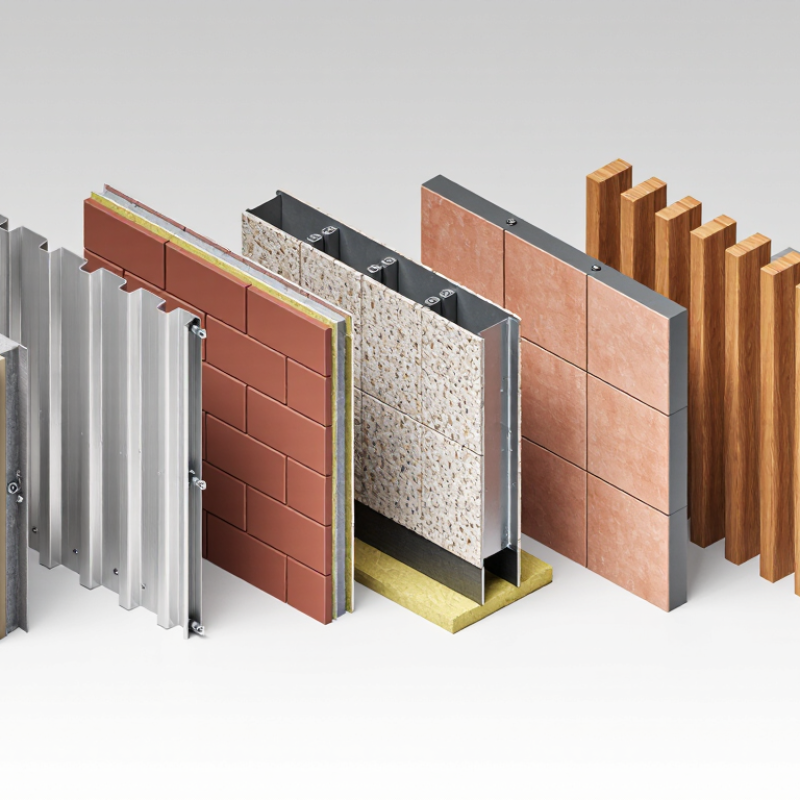
Wall cladding is more than a decorative skin. It controls rain, heat, air movement, impact, and maintenance demands. Common options include fiber cement, metal, brick, stone, terracotta, and engineered wood. No material performs best in every climate. A ventilated rainscreen needs a drained cavity, reliable flashings, and carefully sealed joints. Small installation errors can cause large moisture problems.
Thermal performance deserves early attention. The International Energy Agency reports that buildings consume about 30% of global final energy and produce roughly 26% of energy-related emissions. Cladding alone cannot solve this burden. Designers must coordinate it with insulation, thermal breaks, windows, and airtight layers. In cold regions, inspect condensation risk. In hot regions, test solar absorption and rear ventilation. A darker panel may look attractive, yet increase cooling loads.
Fire behavior, wind resistance, corrosion, impact strength, and color stability also require documented testing. Ask for results under relevant EN, ASTM, or ISO methods, not vague “premium” claims. Review the complete wall assembly, because a safe panel can perform poorly with weak supports or unsuitable membranes. Life-cycle data should include manufacturing, transport, replacement, and end-of-life stages. The World Green Building Council identifies embodied carbon as a critical building priority, but low-carbon choices still need realistic durability evidence. Some assessments remain incomplete. That uncertainty deserves honest disclosure.
For global buyers, wall cladding should be judged as a system, not a surface finish. Fiber cement, metal, and composite panels each solve different building problems. Grand View Research reported continued growth in the global fiber cement market through 2030, supported by low maintenance and resistance to moisture, insects, and impact. However, fiber cement is heavy. Installers must check substrate strength, panel spacing, and ventilated cavity details before ordering.
Metal cladding offers a lighter envelope and faster installation. Industry reports from MarketsandMarkets identify durability, prefabrication, and energy performance as major drivers in the building panels market. Aluminum and coated steel can handle demanding façades, but coating quality matters near saltwater. Small scratches may become corrosion points. Thermal movement also needs room at joints. A dark metal façade can feel extremely hot under direct summer sun.
Composite wall cladding systems often combine a rigid core with protective skins, improving weight efficiency and design flexibility. Recent construction-material reports from Fortune Business Insights show rising demand for lightweight panels in commercial and residential projects. Yet “composite” is not one performance class. Buyers should request fire-test evidence, impact ratings, VOC documentation, and warranty conditions. Test standards vary by country, so a familiar certificate may not satisfy local approval rules. Some product comparisons still overvalue appearance and underestimate drainage. That is a costly mistake. Experienced teams inspect sample joints, fasteners, and corner details before approving a full shipment.
Representative comparison of common wall cladding systems based on typical commercial product ranges. Actual specifications vary by manufacturer, profile, climate, and building code.
Buyer note: Fiber cement generally offers a thicker, mineral-based panel system; metal cladding is typically the thinnest and lightest; composite panels provide a lightweight solution with multiple core and surface options.
For global buyers, exterior cladding must survive weather, installation pressure, and changing maintenance budgets. Brick cladding offers familiar texture and strong fire performance when properly specified. Its small units can manage movement through carefully designed joints. Choose frost-resistant units for cold regions and low-absorption products for wet climates. Mortar color also matters; pale joints can stain under airborne dust.
Stone cladding brings natural variation to large façades. Granite, limestone, and slate behave differently in moisture, heat, and freeze-thaw cycles. Ask for absorption, density, flexural strength, and thermal movement data. A heavy stone system needs secure anchors and a properly engineered support wall. It looks permanent. Yet poor detailing can cause cracks, staining, or unsafe panel movement.
Terracotta cladding gives buildings warm color, crisp profiles, and useful ventilated façade options. Its fired surface resists fading, but edges can chip during transport or rushed installation. Inspect packaging, fixings, cavity drainage, and replacement access before approval. Mock-ups are valuable because sunlight can change color more than small samples suggest. No material is flawless. A realistic specification balances appearance, local skills, climate exposure, and repair access. Buyers should compare verified test reports with project references, not rely on attractive photographs alone.
Wood, vinyl, and sustainable bio-based cladding serve different project realities.
Wood
Wood offers natural grain, tactile warmth, and strong design flexibility. However, it needs suitable coating, drainage, and regular inspection. In humid regions, trapped moisture can cause swelling or decay behind attractive surfaces. A ventilated cavity and correctly spaced joints matter more than visual appeal.
Vinyl cladding
Vinyl cladding is lightweight, consistent, and generally simple to clean. It can suit large residential developments where installation speed affects labor costs. Yet, dark colors may absorb heat, while low-quality panels can warp under severe temperature changes. Buyers should check impact resistance, ultraviolet performance, fire classification, and replacement availability. Small details matter.
Bio-based cladding
Bio-based cladding uses materials such as wood fibers, agricultural residues, or plant-based polymers. Its environmental value depends on sourcing, additives, production energy, and end-of-life options. “Bio-based” does not automatically mean low-impact. Request verified product data, recycled content information, moisture testing, and lifecycle evidence. Some newer materials remain less proven in harsh coastal or freezing conditions. That uncertainty deserves honest attention.
A practical comparison should include local climate, installer skill, repair access, expected service life, and disposal routes. The cheapest panel may become expensive after repeated repainting or early replacement.
Standards vary by market, climate, and building height. Buyers should check fire performance, wind resistance, water control, thermal movement, and structural fixing requirements. Test reports must match the exact product, thickness, coating, and installation method. A certificate from one region may not satisfy another authority. Local engineers can confirm code acceptance before ordering.
Installation needs often decide the practical choice. Lightweight panels may reduce lifting time, but they can require precise subframes and joint detailing. Masonry-based systems may feel robust, yet curing time and wet trades can delay the schedule.
Installation changes everything. On active sites, storage space, temperature, rain, and installer skill affect results. Request drawings, fastener schedules, cutting guidance, and replacement procedures before signing. Cost tables are useful, but never perfect; real conditions frequently expose assumptions made during procurement.