China Top 10 Composite Door Manufacturers

China’s composite door sector is shaped by large-scale housing demand, renovation, and rising expectations for insulation and durability. The National Bureau of Statistics of China reported that residential floor space completed reached 724.33 million square metres in 2023, up 17.2% from 2022. That figure signals substantial construction activity, but it does not reveal how many homes chose composite doors. The distinction matters.

Material performance is part of the wider building-efficiency discussion. The United Nations Environment Programme’s 2023 Global Status Report for Buildings and Construction attributed 37% of global energy- and process-related carbon emissions to the sector in 2022. It also reported that buildings used 34% of global energy. These figures are not specific to doors. Still, they help explain why buyers compare thermal performance, weather sealing, material durability, and documented test results—not appearance alone.

This guide introduces ten China-based composite door manufacturers and the details buyers can verify: product range, material construction, certifications, production capability, and export experience. “doors composite” is an awkward search phrase, yet it reflects how many international buyers begin their research. Company claims deserve careful checking. Specifications can vary between models, and public factory information is not always complete. A polished catalogue is useful. It is not proof of performance. The comparisons that follow are intended as a starting point, not a substitute for reviewing samples, test reports, and current supplier documentation.

China Top 10 Composite Door Manufacturers

Understanding Composite Doors and Their Main Applications

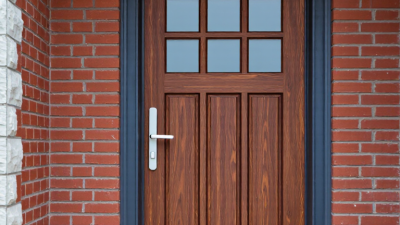
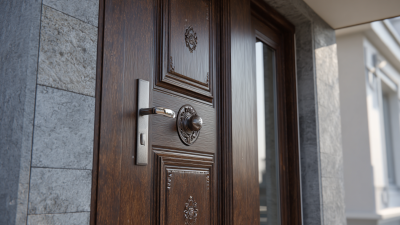
Composite doors are made from several materials rather than a single sheet. Depending on the design, they may combine a reinforced core with a durable outer skin, insulated filling, and weather seals. The exact construction varies, so “composite” alone does not describe performance. A well-fitted entrance door can help limit draughts and reduce routine repainting. Small details matter. A visible seal should sit evenly against the frame, and the threshold should meet the floor without leaving a gap. On a wet day, water beading on the surface is useful; it does not prove that every joint is watertight.

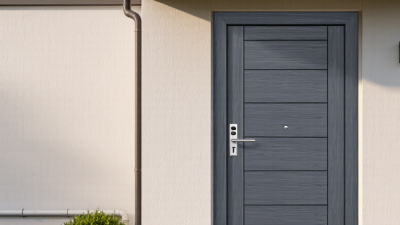
These doors are commonly used at residential front and back entrances, where insulation, privacy, and everyday durability matter. They can also suit apartment entrances or renovation projects, provided the opening, frame, and required specifications match. For coastal homes, check how the hardware and finishes handle damp, salty air; the door skin is only part of the system. A composite door is not automatically right for every opening. Compare documented thermal and security performance, glazing options, maintenance needs, and installation requirements. One detail buyers sometimes miss: a strong door installed out of square may still close poorly.

The Development of China’s Composite Door Manufacturing Industry

China’s composite door manufacturing industry has evolved with housing demand, renovation work, and higher expectations for comfort and durability. Earlier production often relied on manual cutting and assembly; many factories now combine CNC machining, controlled pressing, and repeatable surface finishing. The change is visible on factory floors. Operators monitor panel thickness, adhesive spread, and curing time, since small variations can cause warped door leaves or uneven edges. That matters. Yet progress is uneven. Smaller workshops may still depend on skilled workers and basic checks, making consistency harder across large orders.

Manufacturers have broadened material choices, pairing engineered wood, mineral or polymer cores, and steel skins for different applications. An apartment corridor door may need sound reduction and fire performance; an exterior unit also needs weather resistance and reliable sealing. Project specifications now shape more decisions. Buyers ask for test records, dimensional tolerances, and clear descriptions of core construction. These details help with comparison, though paperwork alone cannot prove lasting performance. Installation can still fail. Even a well-made door may underperform if its frame is out of square or its perimeter seal is incomplete. Export demand has encouraged more standardized production, but climate, building methods, and price pressure continue to complicate design choices.

How to Evaluate Leading Composite Door Manufacturers

China Top 10 Composite Door Manufacturers

How to Evaluate Leading Composite Door Manufacturers

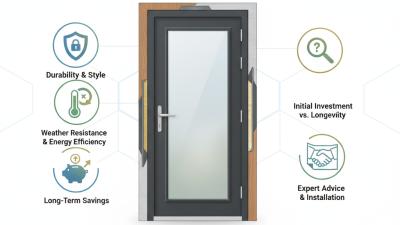
A strong evaluation starts with verified performance, not showroom appearance. Ask for independent test reports covering the complete door assembly, including frame, seals, glazing, and hardware. ASTM E283 measures air leakage; ASTM E331 evaluates water penetration. Check that reported results match the model and configuration you plan to buy. Small details matter: a threshold gap or poorly fitted seal can undermine an otherwise robust door.

Thermal performance also deserves scrutiny. The U.S. Department of Energy’s 2015 Quadrennial Technology Review reports that buildings use about 40% of U.S. energy. This figure is not specific to doors, but it explains why insulation claims should be backed by documented U-factor data. Compare warranty terms, finish durability, replacement-part availability, and quality-control procedures. A detailed report is more useful than a broad “weatherproof” claim. I would still inspect the installation method; it is often overlooked.

Tips: Request test dates, lab details, and the exact tested size. Check references from comparable climates. If a supplier cannot explain a rating plainly, pause and ask again.

Profiles of Ten Major Composite Door Manufacturers in China

China’s composite-door industry serves residential, commercial, and renovation projects. Profiles of ten major manufacturers are most useful when they explain production strengths, not just product appearance. Look for details on core materials, surface options, frame construction, and quality checks. These factors affect weight, fit, and long-term upkeep. Claims should be supported by current product documents or test records.

A closer comparison may reveal different specialisms: some manufacturers offer broad size customization, while others focus on consistent high-volume production. Some provide timber-look finishes; others emphasize moisture-resistant surfaces or reinforced frames. Ask how the door is assembled, what hardware is included, and whether replacement parts are available. Check sample edges and corners, where finishing flaws can be easy to miss. Details matter. A profile should also state its limits: performance can vary by model, installation, and local conditions. No single factory suits every project.

Tips: Request a specification sheet and a physical sample. Compare the same measurements across suppliers, including thickness, core type, finish, and warranty terms. Ask who handles installation guidance. Keep the answers in writing; verbal promises are harder to verify.

China Top 10 Composite Door Manufacturers - Profiles of Ten Major Composite Door Manufacturers in China

Note: Company names and brands are omitted. The entries below describe ten representative composite-door manufacturing profiles and product configurations found in the market; they are not a verified ranking of individual companies. Materials, construction, and tested performance vary by model and supplier.

Profile Product focus Typical door construction Common applications Customization options Key specification checks
1. Security-door focused Entry and security doors Steel facing combined with an insulating or reinforcing core; exact build varies by model. Residential main entrances and some apartment entrances Surface finish, panel design, hardware, dimensions, and opening direction Tested security classification, lock compatibility, frame construction, and installation requirements
2. WPC interior-door focused Interior doors made with wood-plastic composite components WPC profiles or panels, often combined with a frame, infill, and decorative surface layer Interior rooms in residential and commercial buildings Color, surface texture, panel pattern, size, and hardware preparation Material composition, dimensional stability, finish durability, and suitability for the intended moisture conditions
3. Fiberglass-faced door focused Exterior and entry doors with fiber-reinforced polymer faces Molded fiberglass or FRP skins over a core; core materials differ by product House entrances and other locations where an exterior-rated door is specified Molded panel style, color, wood-grain appearance, glazing, and hardware Weather exposure rating, water management, finish requirements, and complete door-set test data
4. Molded-panel door focused Decorative molded interior doors Molded engineered-wood or fiberboard faces assembled with a frame and core or internal infill Bedrooms, offices, and other interior spaces Panel profile, face finish, paint or laminate, dimensions, and hardware preparation Face material, edge sealing, finish specification, and declared indoor-use conditions
5. Steel-skinned composite-door focused Steel-faced doors for residential or service entrances Formed steel skins with a core and perimeter frame; reinforcement and core type are model-specific Residential entrances, utility areas, and selected commercial locations Coating, embossed design, color, lock preparation, and door dimensions Steel thickness, corrosion protection, core details, hardware reinforcement, and applicable test reports
6. Decorative laminate door focused Interior doors with decorative laminate or film finishes Engineered substrate or composite frame with a bonded decorative surface Housing, hotels, offices, and fit-out projects Surface pattern, color, edge treatment, panel layout, and project dimensions Abrasion and cleaning guidance, bond quality, edge finish, and consistency between production batches
7. Fire-door and project-door focused Doors supplied for projects requiring specified fire performance Door leaf, frame, seals, and hardware configured as a tested or approved door assembly Buildings where project documents require a fire-rated door set Door-set dimensions, finish, vision panels where permitted, hardware, and frame options Applicable fire-test documentation, permitted configuration, labeling, and installation instructions
8. Sound-control door focused Doors designed for projects with acoustic requirements Composite leaf construction paired with seals and a compatible frame; performance depends on the complete assembly Meeting rooms, hotel rooms, offices, and selected residential spaces Leaf finish, seal arrangement, frame, threshold, and hardware Laboratory acoustic test results for the specified door set, sealing details, and installation quality
9. Moisture-conscious interior-door focused Interior doors specified for areas with elevated humidity or occasional moisture exposure Composite or polymer-based components with moisture-resistant finishes; construction varies by product Bathrooms and other interior areas when the product is approved for the intended conditions Finish, ventilation options, dimensions, edge protection, and hardware Manufacturer's moisture-use guidance, edge sealing, ventilation needs, and care instructions
10. OEM and export-project focused Made-to-order composite doors for private-label or construction projects Construction selected to meet the buyer's drawings and specification; materials and assembly are order-specific Export distribution, residential developments, and contract fit-outs Dimensions, finish, packaging, hardware preparation, documentation, and labeling Approved samples, drawings, tolerances, destination-market requirements, inspection plan, and shipping terms

Product Ranges, Export Markets, and Industry Trends

China’s composite-door ranges usually differ by core, skin, finish, and thermal performance. Common options include fiberglass-faced panels, wood-plastic composites, and engineered-wood cores. Buyers compare more than appearance: a door exposed to coastal humidity needs stable edges, sealed joints, and hardware that resists corrosion. Fit matters. Some product catalogues group these constructions together, although their performance can vary considerably.

Export portfolios often adapt specifications to destination climates and installation practices. Southeast Asian buyers may prioritize moisture resistance, while colder markets often ask about insulation and weather seals. These are tendencies, not fixed rules. Exporters should verify dimensions, test methods, and documentation with each importer. UN Comtrade’s HS code 441820 covers wooden doors and frames, but it does not isolate composite doors. Trade figures under that code therefore cannot represent the composite-door trade precisely.

Domestic demand is also changing. China’s National Bureau of Statistics reported that completed housing floor space fell 27.7% in 2024, to 737.43 million square metres. Its 2024 Statistical Communiqué put urbanization at 67.00%. These figures point to uneven new-build demand alongside continuing urban renewal needs; they do not directly measure door purchases. Manufacturers are responding with easier-to-install systems, quieter seals, and finishes that resemble natural timber. The weak spot? Surface durability can still disappoint in harsh sun or damp conditions.