China Top Composite Windows and Doors Manufacturers?

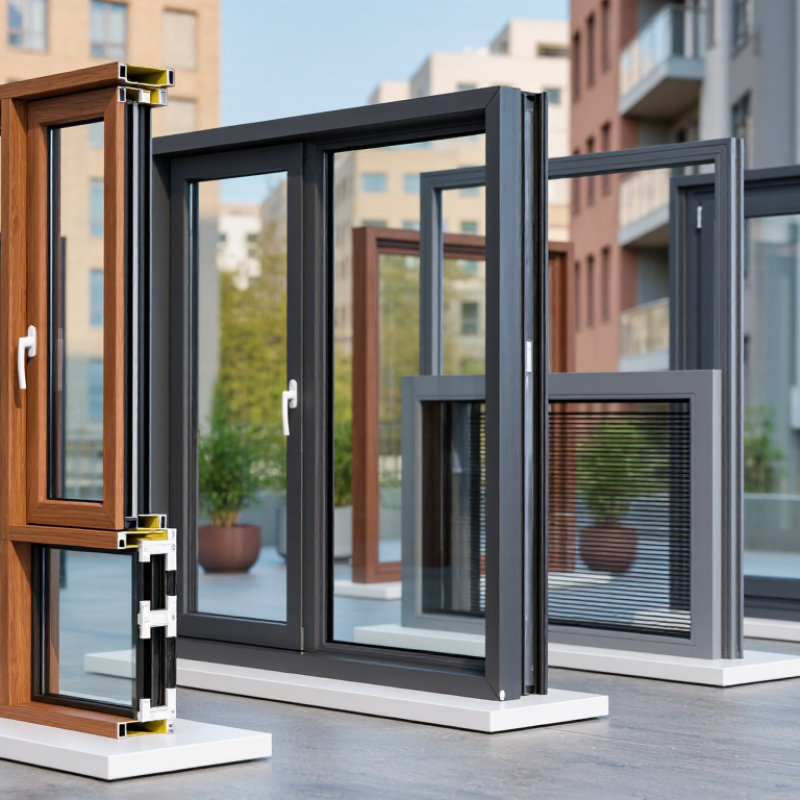
China’s composite windows and doors sector deserves closer attention than a simple supplier list. These products combine materials such as timber, fiberglass, aluminum, and reinforced polymers. The result can be stronger frames, improved weather resistance, and more stable performance around busy urban buildings.

Yet product names can mislead. A polished showroom frame means little without verified thermal data, hardware testing, and installation records. As fenestration consultant Paul Kenny says, “A window is only as good as the installation that surrounds it.” That principle matters when comparing China’s leading manufacturers. Factory precision is valuable, but site conditions still decide the final result.

This guide examines manufacturers through practical indicators. It considers material quality, profile design, glazing options, drainage details, production capacity, certifications, and export experience. It also looks at how companies handle custom sizes, coastal exposure, high-rise projects, and after-sales support. Small details matter. A weak gasket can become a serious complaint.

The market is not perfectly uniform. Some manufacturers offer impressive catalogs but limited technical documentation. Others provide strong engineering yet communicate poorly with overseas buyers. That gap deserves honest attention.

The following overview identifies China’s top composite windows and doors manufacturers while separating genuine capability from attractive marketing. It is not a final verdict. Buyers should still request samples, test reports, references, and installation guidance before signing contracts.

China Top Composite Windows and Doors Manufacturers?

What Are Composite Windows and Doors?

Composite windows and doors combine two or more materials in one frame or sash. Common designs pair a weather-resistant exterior with timber, reinforced polymers, or engineered cores inside. This arrangement aims to balance appearance, insulation, strength, and maintenance. The exact recipe varies. Always request a section drawing and material specifications.

A well-made composite frame feels rigid when opened and closed. Its seals should meet evenly, without daylight at the corners. Low-emissivity glass, insulated chambers, and thermal breaks can reduce heat transfer. However, frame quality alone cannot fix poor installation. A small gap around the opening may cause drafts, moisture, or uneven operation. Experienced installers check the wall opening, sill drainage, fasteners, and expansion space before fitting the unit. They also explain cleaning and adjustment requirements, which are easy to overlook.

These products suit homes facing rain, strong sunlight, or busy streets. Yet composite does not mean maintenance-free. Exterior coatings can fade, hardware can loosen, and different materials may expand at different rates. Buyers sometimes focus too heavily on appearance. A quiet showroom sample says little about long-term performance. Compare certified test data for air leakage, water resistance, wind load, and thermal transmittance. Ask how replacement parts are sourced and how warranty claims are documented. A reputable manufacturer should answer clearly, not hide behind broad performance promises.

China Top Composite Windows and Doors Manufacturers? – What Are Composite Windows and Doors?

Composite System or Evaluation Dimension What It Means Typical Materials or Values Main Advantages Important Considerations
Definition of composite windows and doors Products that combine two or more different materials in the frame, sash, leaf, or cladding to balance strength, insulation, appearance, and durability. Common combinations include timber and aluminum, fiberglass and resin, aluminum and PVC, or wood-fiber and polymer composites. A multi-material design can provide better overall performance than relying on one material alone. Performance depends on the complete tested assembly, not only on the material name.
Timber-aluminum composite A timber interior is combined with an exterior aluminum shell or cap. Engineered or laminated timber on the room side; powder-coated or anodized aluminum on the weather side. Warm interior appearance, good structural stability, and improved resistance to rain, ultraviolet radiation, and exterior maintenance. Usually costs more than standard PVC or basic aluminum systems; drainage and movement joints must be correctly designed.
Fiberglass composite A frame made from glass fibers embedded in a polymer resin, often with insulated cavities. Glass-fiber-reinforced polymer, commonly known as fiberglass or FRP. Low thermal expansion, good moisture resistance, and a favorable strength-to-weight ratio. The resin, surface finish, reinforcement layout, and connection details affect long-term performance.
Aluminum-PVC composite An aluminum exterior or reinforcement is combined with a PVC interior profile or thermal barrier system. Aluminum, rigid PVC, insulating chambers, and polymer or polyamide thermal separators. Combines aluminum’s rigidity and weather resistance with PVC’s relatively low thermal conductivity. Thermal-break continuity, reinforcement design, and corner fabrication are critical to prevent weak points.
Wood-polymer composite or WPC A profile produced from wood fibers or flour combined with a thermoplastic polymer and additives. Wood fiber, PVC, polyethylene, polypropylene, stabilizers, pigments, and protective coatings. Can offer a wood-like appearance, reduced water absorption compared with untreated wood, and efficient profile forming. Moisture uptake, ultraviolet stability, screw retention, and thermal movement should be verified through testing.
Thermal insulation The ability of the complete window or door to limit heat transfer. Often assessed by whole-product U-factor or U-value in W/m²·K; lower values indicate better insulation. Actual values vary with frame, glazing, spacer, size, and hardware. Can reduce heating and cooling loads and improve interior comfort. Do not compare frame conductivity alone with a whole-window rating.
Air tightness The resistance of a closed and locked unit to uncontrolled air leakage through joints and seals. Influenced by gaskets, corner welds or joints, compression hardware, sash alignment, and installation. Helps limit drafts, dust entry, moisture transport, and energy loss. A high-quality frame cannot compensate for poor installation or damaged weather seals.
Water resistance The ability to resist water penetration under simulated wind-driven rain. Determined by frame drainage, sill design, seals, weep paths, glazing interfaces, and installation interfaces. Reduces the risk of interior leakage and concealed wall damage. The required rating should match the building height, exposure, local rainfall, and wind conditions.
Wind-load resistance The capacity of the assembly to resist design wind pressure without unacceptable deformation, damage, or operational failure. Depends on frame depth, reinforcement, mullions, glass thickness, anchoring, opening size, and product configuration. Supports safe use in high-rise, coastal, exposed, and large-opening applications. A test result for one size or configuration should not automatically be applied to every size.
Acoustic performance The reduction of outdoor sound transmission through the complete window or door. Typically reported using laboratory sound transmission ratings such as STC or Rw; laminated glass, air gaps, seals, and frame joints affect results. Can improve comfort in urban, transport, commercial, and hospitality environments. Acoustic ratings are product-specific and should be selected according to the noise spectrum and project requirements.
Glazing options The glass package is a major part of the thermal, solar, safety, and acoustic performance. Double or triple insulating glass, low-emissivity coatings, argon filling, warm-edge spacers, laminated glass, or tempered glass. Allows the same frame concept to be adapted for different climates, orientations, safety needs, and noise conditions. Glass thickness, weight, and edge clearances must be compatible with the frame and hardware.
Durability and maintenance Resistance to weathering, corrosion, moisture, ultraviolet exposure, repeated operation, and surface deterioration. Aluminum cladding generally requires periodic cleaning; timber may require finish inspection; polymer and fiberglass surfaces still need cleaning and seal maintenance. Composite construction can reduce maintenance on exposed surfaces while retaining a selected interior finish. Maintenance intervals depend on climate, coating quality, drainage, pollution, and exposure.
Common opening styles The operating configuration affects ventilation, cleaning, weather resistance, hardware loads, and usable space. Casement, tilt-and-turn, sliding, lift-and-slide, awning, fixed, folding, hinged, and pivot configurations. Provides flexibility for residential, commercial, renovation, and large-opening projects. Sliding and folding systems require careful attention to rollers, tracks, drainage, and air-seal design.
Verification for procurement A structured method for comparing products without relying only on appearance or material descriptions. Request technical drawings, material specifications, test reports, air-water-wind results, thermal data, hardware details, warranty terms, and installation instructions. Improves consistency when evaluating suppliers and helps identify whether a product suits the project climate and code requirements. Confirm that reported results apply to the exact profile, glass, dimensions, hardware, and opening type being ordered.

Note: Performance values for composite windows and doors vary by design, dimensions, glazing, hardware, installation, and testing method. Project specifications should be based on complete-system test data and applicable local building requirements.

How to Evaluate China’s Composite Window and Door Manufacturers

Evaluating China’s composite window and door manufacturers requires more than comparing catalog prices. Start with material consistency. Ask whether the frame combines fiberglass, reinforced polymer, or other layers, and request density, strength, and thermal-expansion data. The International Energy Agency reported that buildings consumed about 30% of global final energy in 2022. Therefore, thermal performance deserves careful attention. Check certified U-value, solar heat gain coefficient, air leakage, water penetration, and structural-pressure results. These figures should match recognized standards, not only an internal spreadsheet.

Factory evidence matters. Review production-line photographs, batch records, extrusion controls, glass assembly procedures, and independent laboratory reports. A credible manufacturer can trace one finished unit back to its raw materials. Request samples from different production batches. Small color or gasket differences may reveal weak process control.

The U.S. Department of Energy notes that windows can cause roughly 25% to 30% of household heating and cooling energy use. That figure is not universal, but it explains why cheap frames may become expensive later.

Inspect corner joints, drainage paths, hardware alignment, and sealant curing. I would not trust a perfect sample alone; real projects often expose installation weaknesses.

Tips:

Compare complete installed performance, not frame price. Ask for a written warranty, replacement-part availability, and climate-specific recommendations. Verify test dates and laboratory credentials. A useful checklist is simple: material data, verified testing, factory traceability, installation support, and after-sales response. Allow room for doubt; even strong documents cannot replace a site inspection.

Leading Composite Windows and Doors Manufacturers in China

China Top Composite Windows and Doors Manufacturers?

Leading Composite Windows and Doors Manufacturers in China

Leading composite windows and doors manufacturers in China typically combine timber, fiberglass, aluminum, or reinforced polymers. This layered structure can improve thermal stability, strength, and moisture resistance. Experienced manufacturers usually control cutting, bonding, coating, and hardware installation in one facility. Buyers should examine production records, material specifications, and test reports before placing an order.

In practical projects, a reliable supplier should provide detailed drawings, sample corners, and clear tolerance data. Ask how the frame performs under heat, rain, wind pressure, and repeated opening. Factory experience matters, but communication matters too. A technically strong product can still fail when measurements or packaging instructions are unclear. No supplier is perfect. Even a promising sample may not represent every production batch, so independent inspection remains sensible.

Tips: Request a full-size sample when possible. Check seals, drainage holes, corner joints, and surface finish closely. Compare declared U-values with verified test documents. Confirm warranty terms, replacement procedures, and delivery protection in writing. A lower price may look efficient, but weak hardware or poor packaging can increase project costs later. Small details matter.

China Construction Market Context for Composite Windows and Doors

China’s urbanization rate increased from 56.10% in 2015 to 67.00% in 2024. This sustained growth indicates continued demand for residential and commercial construction products, including energy-efficient composite windows and doors. The figures represent China’s official permanent-resident urbanization rate and do not include company or brand data.

Source: National Bureau of Statistics of China, annual urbanization data.

Key Products, Materials, and Manufacturing Capabilities

China’s top composite windows and doors manufacturers are better judged by capability than advertising. Factory audits should examine thermal breaks, corner joints, drainage paths, and coating consistency. These details often decide long-term performance.

Composite systems commonly combine aluminium, reinforced polymer, fibreglass, timber, or insulated cores. Aluminium provides structural strength, while polymer sections reduce thermal transfer. Fibreglass can improve stiffness without adding much weight. The UNEP Global Status Report for Buildings and Construction 2023 states that buildings create about 37% of global energy-related emissions. This makes frame insulation a serious specification issue, not a decorative feature.

Reliable manufacturers usually operate extrusion lines, powder-coating facilities, CNC machining centres, and insulated-glass workshops. Look for documented air, water, wind, and thermal testing. EN 14351-1 and ASTM E standards offer useful reference points, although project requirements may differ. A capable supplier should provide batch records, material certificates, and sample-based inspection reports. Small defects matter. A slightly uneven gasket can create noise, leakage, or condensation months later. Factory scale alone proves little; process control is more valuable. Some suppliers still present impressive samples while offering weak documentation. That gap deserves careful questioning.

How to Choose the Right Chinese Manufacturer for Your Project

Choosing the right Chinese manufacturer for a composite window and door project requires more than comparing prices. Start with your climate, wall structure, opening sizes, and performance targets. A coastal building needs different protection from a dry inland home. Ask for thermal, air, water, and wind-load test reports from recognized laboratories. Verify that the reports match the proposed profile, glass, hardware, and production method.

Factory experience matters. Request a live video tour or an independent audit. Check extrusion areas, assembly lines, storage conditions, and quality records. Samples can mislead. Inspect corner joints, drainage paths, gaskets, surface finish, and locking movement. Open and close each unit repeatedly. Measure twice. Ask how the factory handles design changes, damaged goods, replacement parts, and installation guidance. Clear answers usually reveal more than polished photographs.

Confirm material composition and warranty terms in writing. A reliable manufacturer should provide drawings, packing details, inspection procedures, and a realistic production schedule. Use a pre-shipment inspection before payment is completed, especially for large orders. One weakness deserves attention: many buyers focus on unit cost and overlook site coordination. That mistake can create delays, poor sealing, or expensive rework. Compare the full delivered cost, including tooling, packaging, testing, shipping, duties, and local installation. The best choice is not always the lowest quotation. It is the supplier that can prove consistent quality and communicate accurately when problems appear.