7 Best Wall Cladding Panels for Global Buyers
Choosing wall cladding panels for a global project is more than a style decision. The right system must suit local weather, the building substrate, maintenance access, shipping conditions, and applicable performance requirements. A coastal site may need corrosion-resistant fixings; a humid climate puts joints and drainage under close scrutiny. Small details matter. A showroom sample cannot show how a complete façade will handle wind-driven rain or years of sun exposure.
The stakes are substantial. The 2023 Global Status Report for Buildings and Construction, published by UNEP and the Global Alliance for Buildings and Construction, estimates that buildings and construction account for 34% of global energy demand and 37% of energy- and process-related carbon dioxide emissions. Those figures describe the wider sector, not cladding panels alone. Still, they make durability, maintenance, and material choices worth examining. Architect Carl Elefante, former president of the American Institute of Architects, expressed a broader renovation principle: “The greenest building is the one that is already built.” For buyers, that idea invites a practical question: can a panel system protect and refresh an existing structure without creating avoidable replacement work?
This guide compares seven wall cladding panels for global buyers, including their materials, strengths, limitations, and typical applications. Compare tested performance, warranty terms, replacement availability, environmental documentation, and installed cost—not just price per square meter. No panel is best everywhere. Some trade-offs only become clear after installation, and that deserves honest attention.
What Wall Cladding Panels Are and How They Protect Buildings
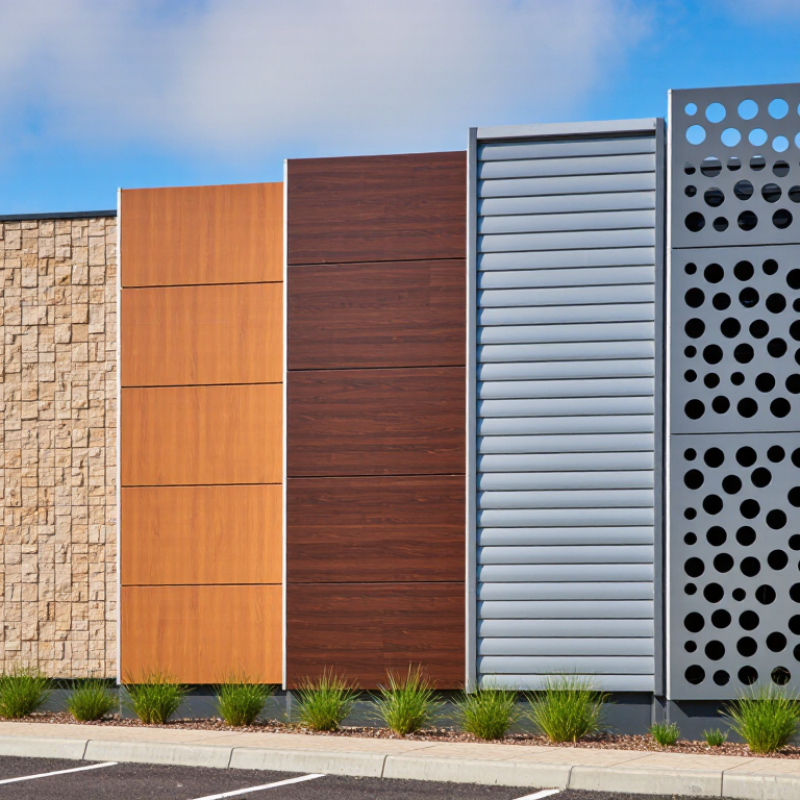
Wall cladding panels are exterior-facing boards or sheets fixed to a building’s outer wall. They may be made from metal, fiber cement, timber, stone, or composite materials. A panel is usually one part of a larger wall assembly, not a waterproof wall by itself. Behind it, a suitable membrane and carefully formed joints help manage rain and condensation. Some systems also leave a ventilated cavity between the cladding and insulation. That gap matters. It can help incidental moisture drain and support airflow when openings and fire-stopping details are properly designed.
Cladding helps shield the structure from wind-driven rain, sunlight, and everyday knocks. It may also reduce heat transfer, but performance depends on the complete assembly, including insulation, fixings, and airtightness. A panel’s strength means little if water enters around a window or at the wall base. Details decide performance. Installers should follow tested system guidance and account for movement, drainage, and local exposure. In coastal or high-wind locations, corrosion resistance and secure fixing deserve particular attention. A neat panel face can still hide awkward junctions. Those are easy to overlook. Buyers should compare fire performance, maintenance needs, expected service life, and replacement access. A small sample may look convincing, but it cannot show every joint or weathering issue. Specifications can feel tidy on paper; the completed wall may be less forgiving.
7 Best Wall Cladding Panels for Global Buyers - What Wall Cladding Panels Are and How They Protect Buildings
Wall cladding panels are exterior or interior facing materials fixed to a building’s structure or supporting framework. Depending on the system, they help shed rain, protect the underlying wall from weather and impact, and provide a finished appearance. A drained and ventilated cavity can help manage water behind the cladding; performance depends on correct detailing, installation, and the complete wall assembly.
| Cladding type | Typical material and format | How it helps protect a building | Key advantages | Important considerations | Common applications |
|---|---|---|---|---|---|
| Fiber-cement panels | Cement-based composite reinforced with cellulose or other fibers; supplied as flat sheets, planks, or facade panels. | Forms a durable outer layer that resists rain and routine impact when joints, edges, and penetrations are correctly detailed. | Available in varied textures and finishes; generally dimensionally stable and resistant to rot and insects. | Cutting creates dust and requires appropriate controls. Panels are relatively heavy and need suitable framing and fixings. Check the product’s tested fire and moisture properties. | Residential facades, institutional buildings, and commercial exteriors. |
| Metal panels | Commonly formed from coated steel or aluminum; available as flat, profiled, or cassette-style panels. | Sheds water across the facade and can protect the wall behind when laps, joints, flashings, and drainage paths are designed as a system. | Lightweight relative to many masonry options, recyclable in many regions, and available in a wide range of profiles and finishes. | Thermal movement, corrosion exposure, noise, and denting should be considered. Confirm the coating, substrate, and fire performance of the complete assembly. | Industrial, commercial, and contemporary residential buildings. |
| Brick slips and brick veneer systems | Thin fired-clay units or brick-faced modules installed over a suitable backing or support system. | Provides a hard, weather-exposed face; properly designed cavities, flashings, and drainage details help direct water away from the inner wall. | Offers the appearance of masonry and a durable surface with established construction detailing practices. | System weight, support, mortar or adhesive compatibility, movement joints, and water management must be addressed. Brick slips are not the same as a full structural brick wall. | Renovations, feature walls, and new-build facades seeking a masonry finish. |
| Natural-stone panels | Cut stone such as granite, limestone, or slate, supplied as tiles or mechanically fixed panels. | Acts as a robust exterior face that shields the backup wall from direct exposure; joints and anchors are essential to the overall weather barrier. | Distinct natural appearance and good resistance to surface wear; many stone types are non-combustible. | Heavy panels require engineered support and secure anchorage. Stone properties vary by type, and some stones can stain, absorb water, or need specific maintenance. | Civic, commercial, and residential projects where a stone finish is desired. |
| Engineered-wood panels | Factory-made wood-based panels or boards, often treated or coated for exterior use. | Creates a protective rainscreen or weather-facing layer when paired with appropriate membranes, ventilation, and carefully sealed or drained details. | Warm, natural appearance; panelized formats can support efficient installation and consistent finishes. | Requires protection from prolonged moisture exposure and regular finish inspection. Fire classification, treatment, and suitability depend on the specific product and assembly. | Low-rise housing, extensions, and projects with a timber aesthetic. |
| High-pressure laminate (HPL) panels | Pressed layers of resin-treated decorative paper and reinforcing materials; exterior grades are designed for outdoor exposure. | Serves as an outer rainscreen surface that helps reduce direct exposure of the wall behind when installed with suitable joints and cavity drainage. | Broad choice of colors and patterns, relatively light panels, and a smooth surface that is easy to clean. | Specify exterior-grade material and verify fire classification for the intended building and jurisdiction. Allow for thermal movement and follow tested fixing details. | Commercial facades, schools, and ventilated rainscreen systems. |
| Terracotta panels | Fired-clay units, often hollow or profiled, installed on a carrier or support system. | Forms a durable facade layer and is commonly used in ventilated systems that allow drainage and airflow behind the panels. | Color comes from fired clay, and the material is generally resistant to ultraviolet exposure and does not rot. | Panel weight, support design, impact resistance, and fixing compatibility vary by system. Check local supply, replacement availability, and tested assembly performance. | Ventilated facades on residential, cultural, and commercial buildings. |
Note: Product properties and code requirements vary by manufacturer, project, and country. Confirm local regulations, fire-test evidence, wind-load design, fixing specifications, and the performance of the complete wall assembly before selection.
Related Posts
-
What Is the Best PVC Wall Cladding from China?
-

10 PVC Wall Cladding Buying Tips for Global Buyers
-
How to Find Top PVC Wall Cladding Suppliers in China?
-
10 Best Cladding Panels for Exterior Walls?
-
China Top Building Cladding Panels Manufacturers
-
How to Choose the Best Pipe Products for Your Business?