What Are the Top Building Cladding Types in 2026?
A building’s exterior does more than set its appearance. It helps manage rain, heat, wind, noise, and everyday wear. In 2026, popular building cladding options include brick, stone, fiber cement, metal, timber, glass, and engineered panel systems. Each brings different costs, installation needs, and maintenance demands. Some offer the texture of masonry; others create crisp, lightweight façades. The right choice depends on the building, its exposure, and the people who will care for it.
Looks can mislead. A small sample cannot show how a façade handles years of sun, driving rain, or movement at joints. This guide compares leading cladding types by durability, appearance, energy performance, upkeep, and typical applications. It also considers how insulation, drainage, fire performance, and installation affect the finished wall. Those details matter. A cladding product is only one part of a wall assembly, and performance depends on how the full system is designed and built. Project teams should check current local requirements and product documentation, then consult qualified building professionals. There is no universal winner. A material that suits a sheltered urban façade may perform poorly on a coastal building. Even familiar choices deserve a closer look. The comparisons ahead can help owners, designers, and builders ask better questions before selecting a finish.
How Building Cladding Systems Are Classified
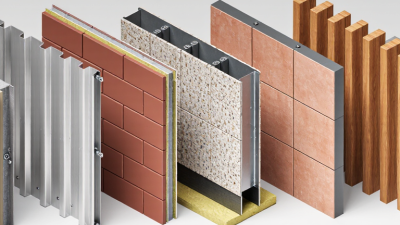
Building cladding is often classified by its visible material, but that label tells only part of the story. Common categories include masonry, metal, timber, glass, fiber cement, and composite panels. Each responds differently to sun, rain, and temperature changes. A brick veneer may look solid, yet a cavity and flashing help manage water behind it. Small details matter.
Another useful classification focuses on how an assembly manages moisture. Face-sealed systems rely mainly on the outer surface to resist rain. Drained systems let some water pass behind the cladding, then guide it out through cavities, flashings, and weep openings. Ventilated rainscreens add an air gap that can help the wall dry. The categories are not perfectly tidy; some assemblies combine approaches. Drawings and tested assembly details are more informative than labels alone.
Cladding can also be grouped by installation method: site-built layers, panelized systems, or larger prefabricated units. These choices affect joint locations, repair access, construction speed, and movement tolerance. A panel edge that looks neat in a sample may collect water if its joint is poorly detailed. Material, climate, substrate, maintenance, and workmanship all deserve consideration. A materials list alone rarely tells the whole story.
How Common Cladding Materials Compare
What Are the Top Building Cladding Types in 2026? How Common Cladding Materials Compare
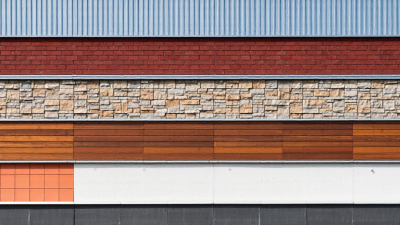
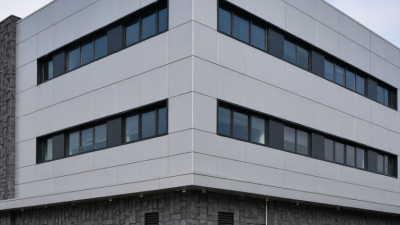
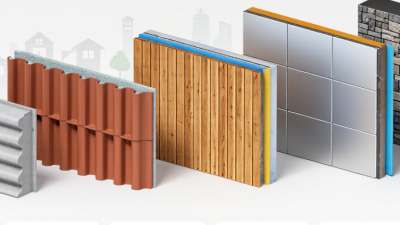
Choosing cladding means balancing appearance, weather resistance, maintenance, and upfront cost. Fiber cement offers crisp finishes and generally needs less upkeep than timber, though its weight can complicate installation. Timber brings warmth and can be repaired locally, but exposed boards need regular inspection and suitable coatings. Metal panels create clean lines and shed rain effectively. They may dent, and poorly detailed joints can invite water behind the surface. Looks matter. The best choice depends on the building, not just the sample board.
Brick and stone are durable options with a substantial feel, but their weight and installation demands can raise project costs. Vinyl is lightweight and often economical, yet it may look less convincing up close and can be vulnerable to impact or heat. No material performs alone: drainage gaps, flashing, fixings, and the wall beneath all affect service life. I’ve seen attractive cladding disappoint because small junction details were treated as afterthoughts. That part is easy to underestimate.
Tips: Compare full installed costs, not material prices alone. Ask how each option performs in your local climate, and inspect a real sample in daylight. Check maintenance needs and repair methods before choosing. Details decide. A material can still fail when installation is poor, so review the design and workmanship with a qualified building professional.
What Are the Top Building Cladding Types in 2026?
Indicative service-life ranges for common cladding materials
Masonry and stone can have long service lives, while metal, fiber cement, wood, and vinyl offer a range of durability and maintenance needs. These are broad planning estimates—not guaranteed lifespans—and actual performance depends on product specification, installation, exposure, and upkeep.
How Climate, Cost, and Design Shape Cladding Choice
Climate should narrow the choices before appearance takes over. In wet, windy regions, a drained rainscreen assembly can help manage water behind the outer surface. Coastal projects need to consider salt exposure, while hot climates may benefit from lighter finishes that absorb less heat. Salt air is unforgiving. Timber can bring warmth, but it needs suitable detailing and ongoing care where moisture persists.
Upfront price rarely tells the whole story. Brick and stone may cost more to install because of their weight and support needs, while metal and fiber cement can offer lighter alternatives. Compare not only materials, but also labor, replacement intervals, cleaning, and access for repairs. A low initial quote can hide future maintenance. Estimates also vary by local labor and construction conditions, so broad cost rankings deserve caution.
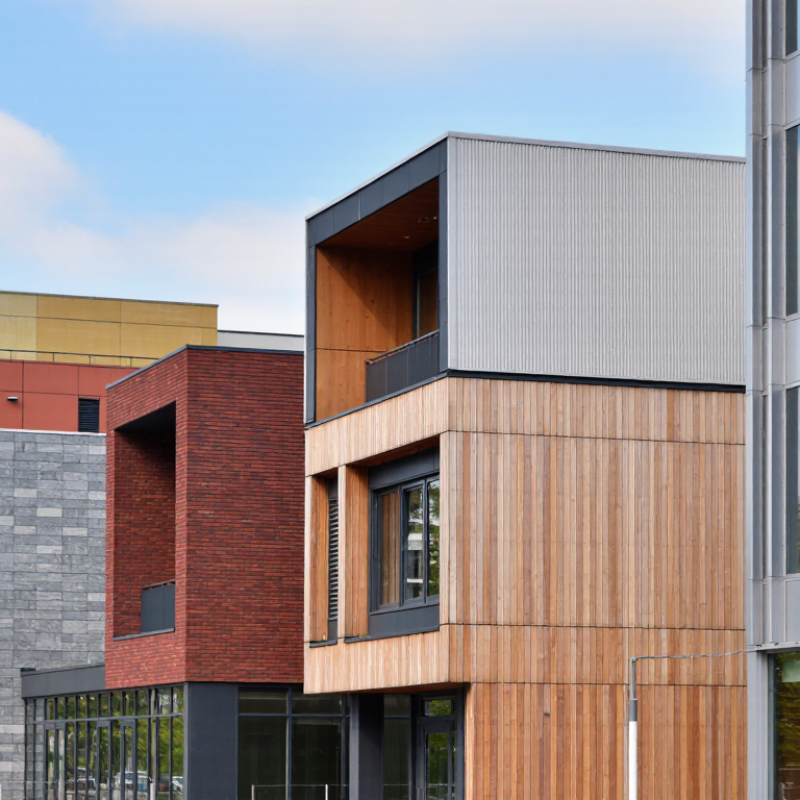
Design still matters, but it works best alongside performance. Metal panels can create crisp lines; brick offers texture and visual weight; fiber cement supports varied profiles and colors. The right choice depends on the building’s exposure, structure, and intended look. There is no perfect cladding. One easy-to-miss trade-off is choosing a beautiful finish that clashes with the site’s moisture or maintenance demands. Review samples in natural light, and ask how joints, edges, and openings will be detailed.
What Are the Top Building Cladding Types in 2026? - How Climate, Cost, and Design Shape Cladding Choice
| Cladding type |
Typical installed cost (USD/ft²) |
Climate considerations |
Fire and moisture notes |
Maintenance and service life |
Design strengths |
| Fiber-cement siding |
$6–$15 |
Versatile across many climates; suitable for humid regions when installed with sound drainage and flashing details. |
Generally noncombustible; edges and joints need proper sealing and water management. |
Periodic repainting may be needed; often lasts several decades with correct installation and upkeep. |
Can resemble painted wood, shingles, or smooth panels; broad color and profile options. |
| Vinyl siding |
$4–$12 |
Low initial cost suits many locations; extreme heat can increase expansion and warping concerns, while cold can make panels more brittle. |
Combustible and can be damaged by heat; a properly designed wall assembly is important in wet climates. |
Usually needs washing rather than painting; damaged panels may need replacement. Service life varies with exposure and quality. |
Economical, lightweight, and available in many colors and traditional profiles. |
| Brick veneer |
$10–$25 |
Durable in varied conditions; freeze-thaw performance depends on brick selection, water shedding, and detailing. |
Masonry is noncombustible; a drainage cavity and weep details help manage water behind the veneer. |
Low routine maintenance; mortar joints may need inspection and repointing over time. Can last for many decades. |
Classic texture, color variation, and visual weight; suits traditional and contemporary designs. |
| Stucco (cement-based) |
$7–$15 |
Common in dry and warm regions; in rainy or freeze-thaw climates, careful moisture detailing and suitable assembly design are essential. |
Cement-based stucco is generally noncombustible; cracking can allow water entry if not repaired. |
Occasional crack inspection and repairs are important; service life depends heavily on drainage and workmanship. |
Seamless appearance with a range of textures and finishes; works well with simple, sculptural forms. |
| Metal panels |
$10–$30 |
Useful in many climates; coastal exposure calls for corrosion-resistant material choices and compatible fasteners. |
Metal itself is generally noncombustible; panel coatings, insulation, and the full wall assembly affect overall fire performance. |
Typically low maintenance; inspect coatings, joints, and fasteners. Lifespan depends on metal type, finish, and exposure. |
Clean lines, large-format surfaces, and options ranging from understated to highly contemporary. |
| Wood siding |
$8–$20 |
Performs best when protected from persistent moisture; sunny, dry exposure can accelerate fading and finish wear. |
Combustible; design should account for local fire requirements. Drainage, ventilation, and clearance from the ground help reduce moisture risk. |
Needs regular inspection and periodic staining or painting; upkeep and exposure strongly affect service life. |
Natural grain and warmth; can be installed as boards, shingles, or other profiles. |
| Stone veneer |
$15–$40+ |
Durable across a range of climates when selected for local conditions and installed with appropriate drainage and support. |
Stone is noncombustible; the veneer system still needs correct attachment, flashing, and water management. |
Generally low maintenance; inspect joints and attachment. Natural stone can remain serviceable for many decades. |
Distinctive natural variation and a premium, substantial appearance; material and installation costs are often higher. |
Cost ranges are broad U.S. installed estimates for comparison, not quotations. Actual pricing varies by region, project size, substrate preparation, insulation, detailing, labor, and product specification. Fire performance and service life depend on the complete wall assembly, installation, exposure, and maintenance.
Installation, Fire Safety, and Maintenance Considerations
In 2026, choosing cladding means looking beyond appearance. Fiber-cement boards, metal panels, brick veneer, and timber each demand different installation details. A ventilated rainscreen needs a clear drainage cavity, properly placed flashings, and unobstructed openings. Small gaps matter. Metal panels also need room to expand and contract, while brick veneer relies on sound supports and correctly installed ties. One awkward truth: a detail that looks simple on a drawing can be difficult to execute on a windy scaffold.
Fire safety depends on the complete wall assembly, not just the visible finish. Core materials, insulation, cavity barriers, fixings, and openings all affect performance. Check tested assembly information and applicable local requirements with qualified building professionals before work begins. Do not assume a non-combustible face makes every layer behind it safe. Installation records and on-site inspections help catch missing barriers or poorly sealed penetrations.
Maintenance starts with a baseline inspection after installation. Look for loose fixings, damaged boards, blocked drainage paths, and failed sealant around windows. Timber may need periodic coating; metal can require checks for scratches and corrosion, especially near the coast. Brick needs attention to mortar joints and water entry. Cleaning too aggressively can damage finishes. Keep dated photos and repair notes; they make small changes easier to spot, though even a careful maintenance plan can miss hidden moisture.